
Wuhan medical tourism stands out as a premier choice for international patients, blending cutting-edge healthcare with the city’s unique cultural and culinary charm.
Wuhan, a city located in the central part of China at the confluence of the Yangtze River and the Han River, combines profound historical heritage with vigorous modern vitality. For foreign friends, Wuhan is not only an ideal place to seek high-quality medical services but also a tourist destination full of surprises, offering you a unique experience that perfectly integrates medical care, health preservation, and leisure and entertainment.
Why Choose Wuhan for Medical Tourism? Wuhan medical tourism offers a unique blend of advanced treatments and cultural exploration.
I. The Medical Situation in Wuhan
(1) Abundant and High-quality Medical Resources
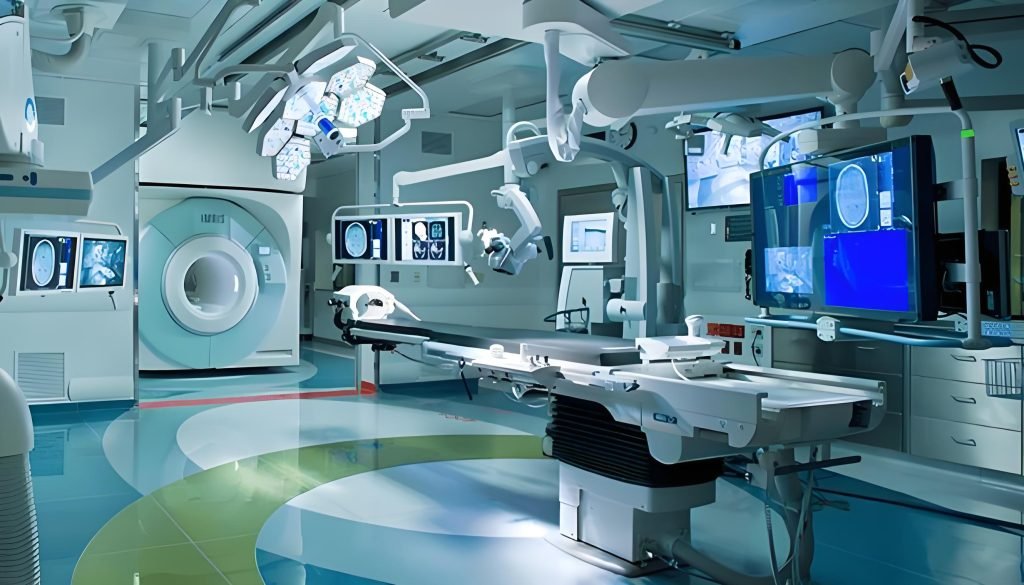
Wuhan has established a complete and high-quality medical system. Various medical institutions are scattered throughout the city, comprehensively safeguarding the health of the public and foreign patients. As of 2023, there were 6,981 medical and health institutions of various types in the whole city, among which there were 368 hospitals. These include various types such as general hospitals, specialized hospitals, and primary medical units, with a rich variety of disciplines, which can meet the diverse medical needs of different patients. Tongji Hospital Affiliated to Tongji Medical College of Huazhong University of Science and Technology, as a leader in regional medical care, is a comprehensive hospital integrating medical treatment, teaching, scientific research, prevention, and health care. It has achieved remarkable results in disciplines such as cardiovascular medicine, general surgery, and neurology. Equipped with advanced medical equipment and a highly professional medical team, it has attracted many domestic and foreign patients.
▼ Tongji Hospital Affiliated to Tongji Medical College of Huazhong University of Science and Technology
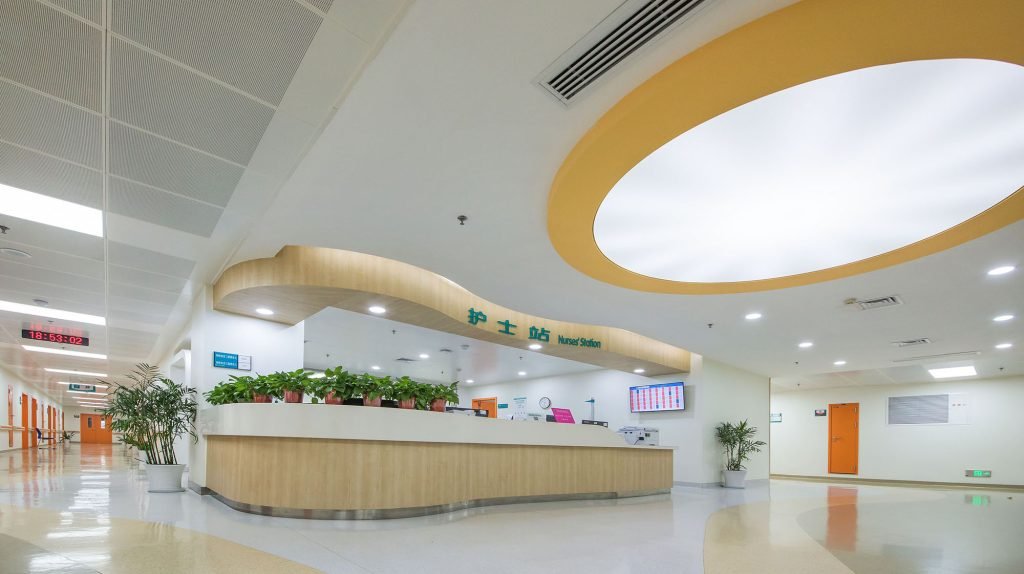
Union Hospital Affiliated to Tongji Medical College of Huazhong University of Science and Technology is also very powerful, performing excellently in multiple disciplines and providing accurate and efficient medical services for patients.
▼ Union Hospital Affiliated to Tongji Medical College of Huazhong University of Science and Technology
(2) International Medical Services
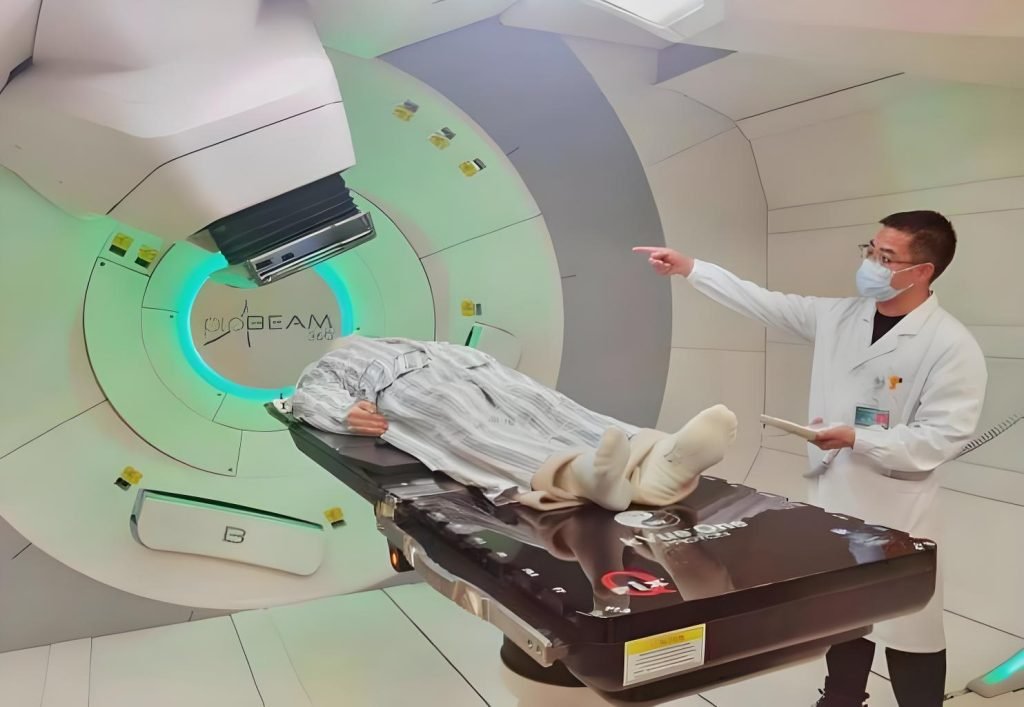
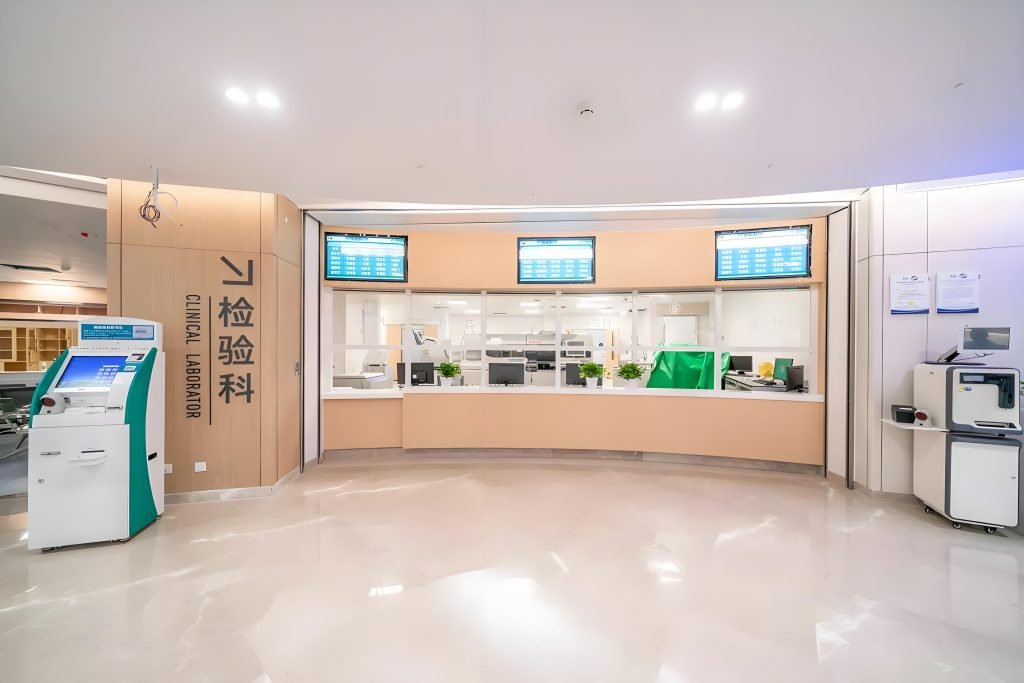
In order to create a convenient and comfortable medical environment for foreign patients, medical institutions in Wuhan are actively integrating with international standards and optimizing services from multiple dimensions. Many large hospitals have established international medical departments, fully considering the needs of foreign patients in aspects such as the medical treatment process and cultural care. Take the International Medical Department of People’s Hospital of Wuhan University as an example. Here, a group of medical staff proficient in multiple languages such as English and Japanese have gathered to ensure smooth communication with foreign patients. The internal signs of the hospital use both Chinese and English, clearly guiding patients to the registration office, consulting rooms, examination rooms, pharmacies, and other areas. During the diagnosis and treatment process, medical staff will patiently and meticulously explain the diagnosis of the illness, treatment plan, and rehabilitation precautions to patients in a foreign language, respecting the religious beliefs, cultural customs, and lifestyles of patients from different countries, so that foreign patients can feel the warmth and care like home in a foreign land.
▼ People’s Hospital of Wuhan University
(3) Diverse Medical Options
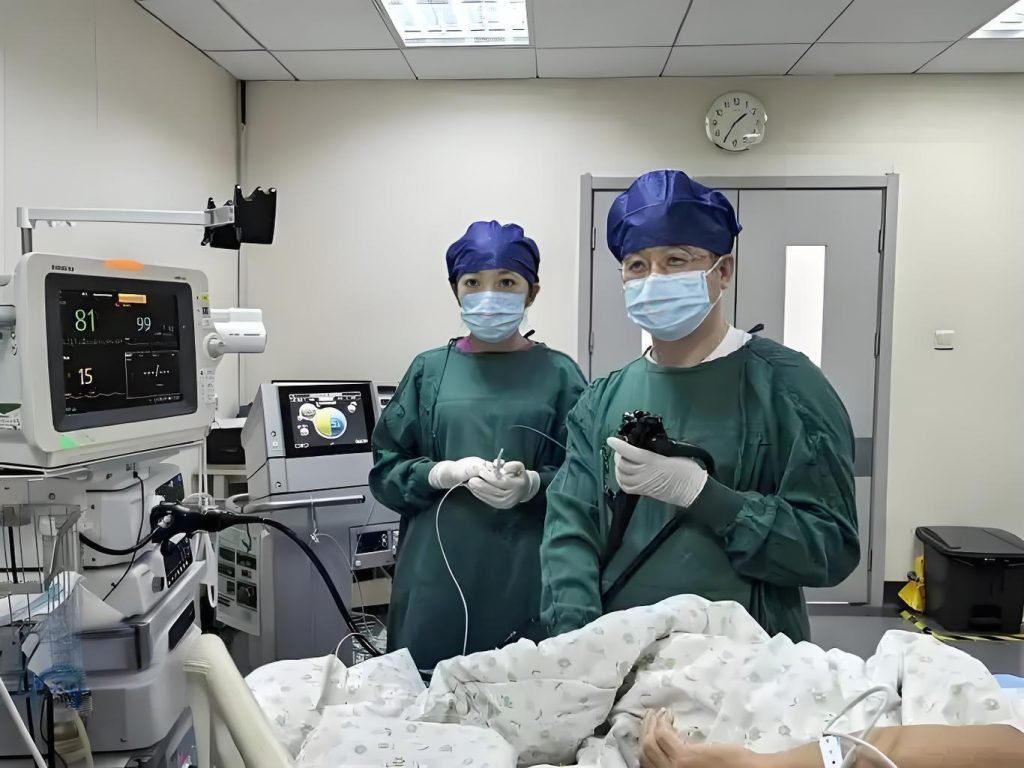
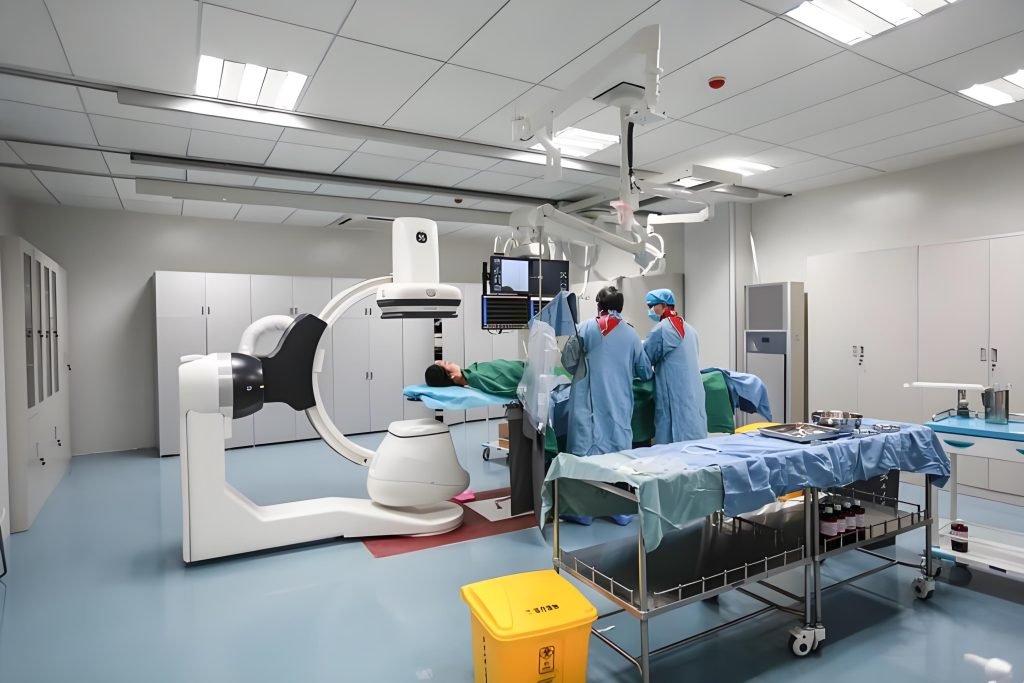
1. International Hospitals and Clinics: International hospitals and clinics in Wuhan are mainly concentrated in areas where foreigners live relatively concentrated, such as Wuchang District and Jianghan District. These medical institutions strictly follow international medical standards, and some have even been certified by authoritative international organizations such as the Joint Commission International (JCI). Wuhan Asia Heart Hospital is a leading one among them, being at the domestic leading level in the treatment of cardiovascular diseases and providing one-stop medical services covering the diagnosis, treatment, and rehabilitation of heart diseases. The hospital’s medical team is composed of senior experts from both home and abroad, who can communicate with patients proficiently in multiple languages, effectively eliminating language barriers. Patients can make appointments for medical treatment through convenient means such as the hospital’s official website, mobile application (APP), or telephone. Moreover, the hospital supports direct payment of many international medical insurance policies, greatly reducing the economic burden on patients and making the medical treatment process more relaxed and convenient.
▼ Wuhan Asia Heart Hospital
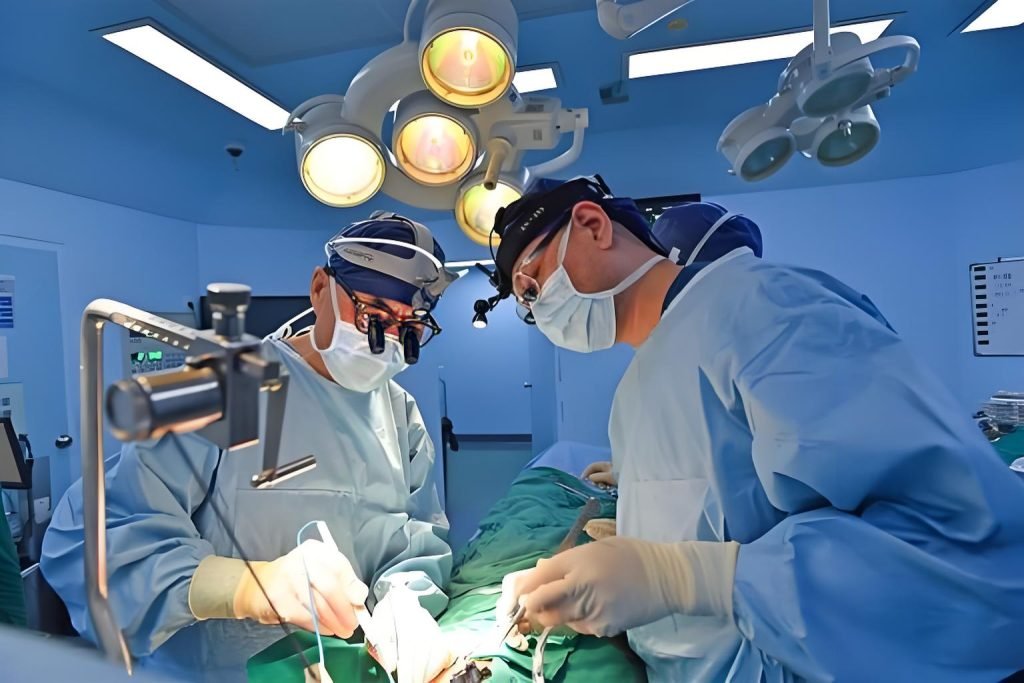
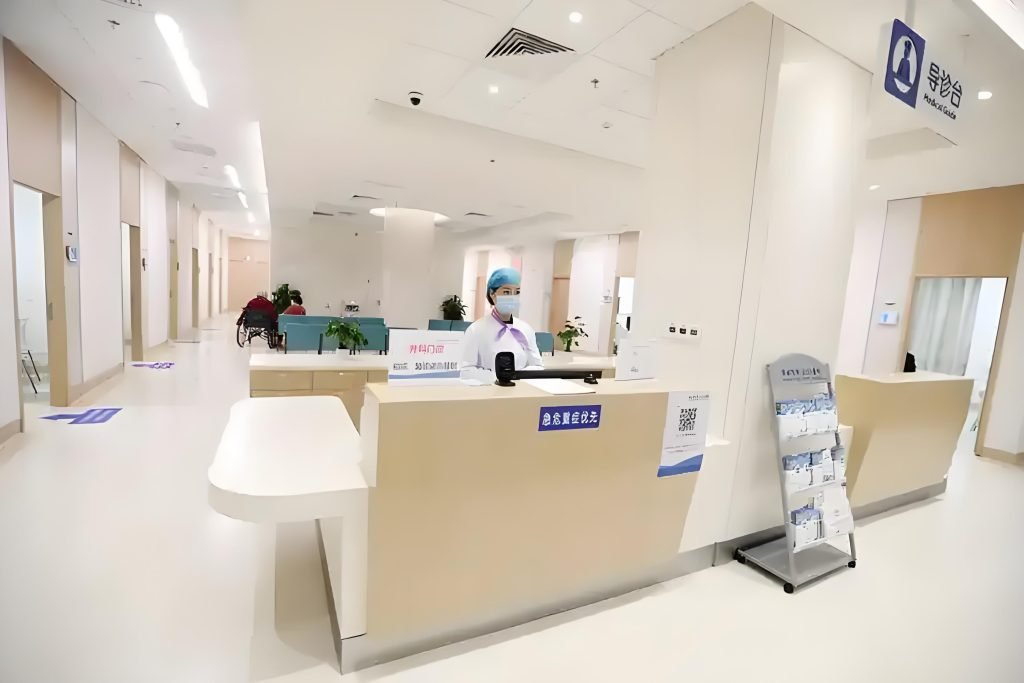
2. Special Needs Wards in Public Hospitals: The special needs wards in public hospitals in Wuhan provide excellent options for foreign patients with higher medical service requirements. For example, the special needs wards of People’s Hospital of Wuhan University have an elegant and quiet environment, complete facilities, and are equipped with a professional medical team, providing one-to-one personalized medical services for patients. From accurate disease diagnosis, efficient treatment to meticulous rehabilitation and nursing, the special needs wards can fully meet the patients’ strict requirements for privacy protection and medical comfort. Although the fees for special needs wards are relatively high, the high-quality medical experience provided is undoubtedly a powerful guarantee for patients’ health.
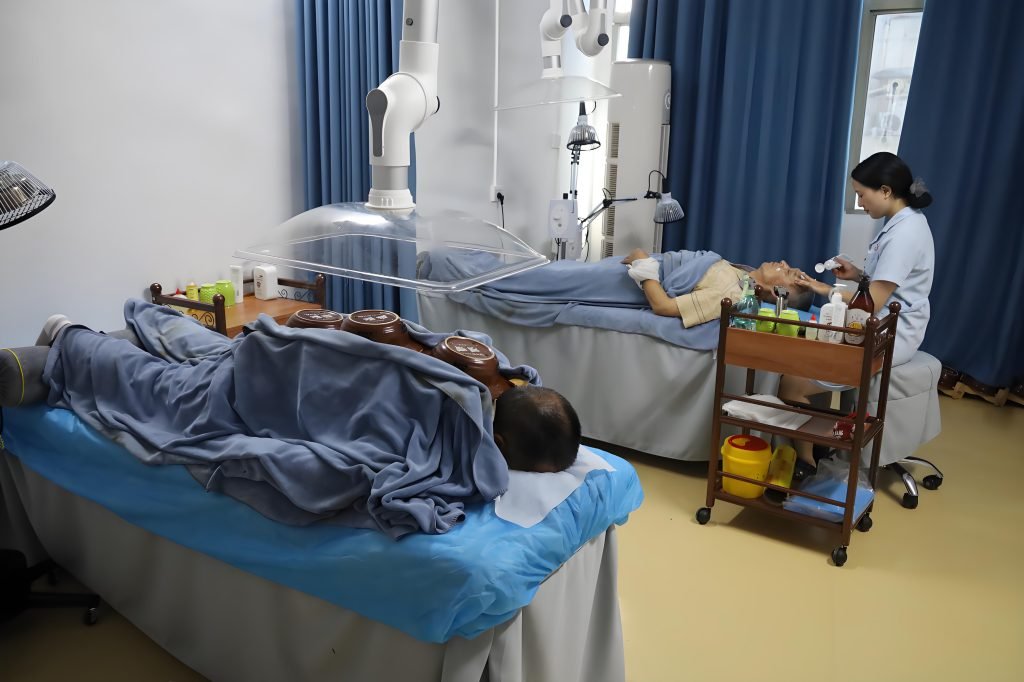
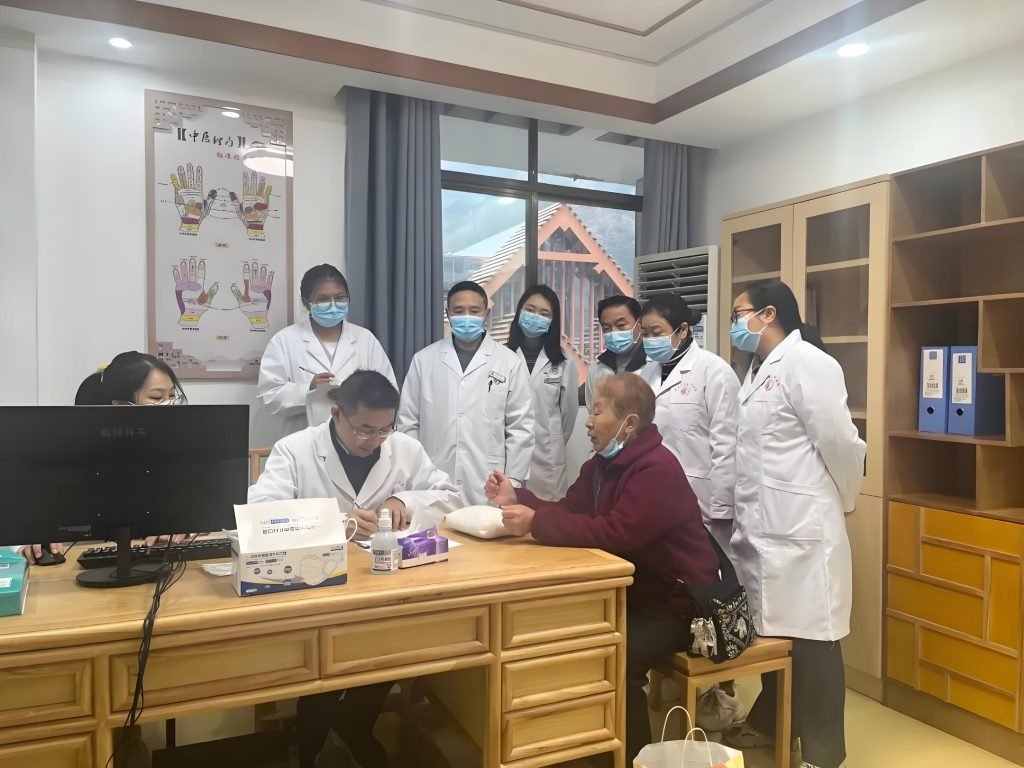
3. Traditional Chinese Medicine Hospitals: Traditional Chinese medicine hospitals in Wuhan play an important role in inheriting and promoting traditional Chinese medicine culture, bringing unique traditional Chinese medicine diagnosis and treatment experiences to foreign patients. Hubei Provincial Hospital of Traditional Chinese Medicine is the central base for provincial-level traditional Chinese medicine medical treatment, teaching, and scientific research in Hubei. It has significant advantages in fields such as traditional Chinese medicine internal medicine, traditional Chinese medicine surgery, acupuncture and massage. Foreign patients can personally experience the magical effects of traditional Chinese medicine therapies here, such as acupuncture for the treatment of chronic pain, massage to relieve muscle fatigue, traditional Chinese medicine to regulate physical functions, and traditional Chinese medicine characteristic therapies for the treatment of skin diseases. The hospital also often holds various traditional Chinese medicine culture experience activities, such as traditional Chinese medicine health preservation lectures, traditional Chinese medicine processing demonstrations, and traditional Chinese medicine technique experience activities, allowing foreign friends to deeply understand the profoundness of traditional Chinese medicine and appreciate the unique charm of traditional Chinese medicine in prevention, health care, and disease treatment.
▼ Hubei Provincial Hospital of Traditional Chinese Medicine
(4) Medical Insurance
When foreign patients seek medical treatment in Wuhan, it is crucial to understand information related to medical insurance. Considering that the fees for some medical service items are relatively high, purchasing suitable medical insurance has become the key to reducing the economic burden. International hospitals and special needs wards in public hospitals usually charge relatively high fees, and some insurance companies classify them as “high-cost” medical institutions. Therefore, patients may need to purchase insurance products with higher premiums to achieve full coverage of all expenses, or bear the self-paid expenses according to a certain proportion. Some insurance policies only cover hospitalization treatment expenses. The premiums of such insurance are relatively low, but patients need to bear the expenses for outpatient consultations, examinations, etc. by themselves. If patients have a limited budget, they can consider choosing the general outpatient services of public hospitals, which are more affordable. While those health insurance policies that cover outpatient services (such as doctor consultations, dental treatments, drug expenses, etc.), although the premiums are higher, can fully meet the medical needs of patients in international hospitals and clinics, providing comprehensive medical insurance for patients.

(5) Medical Emergency Rescue
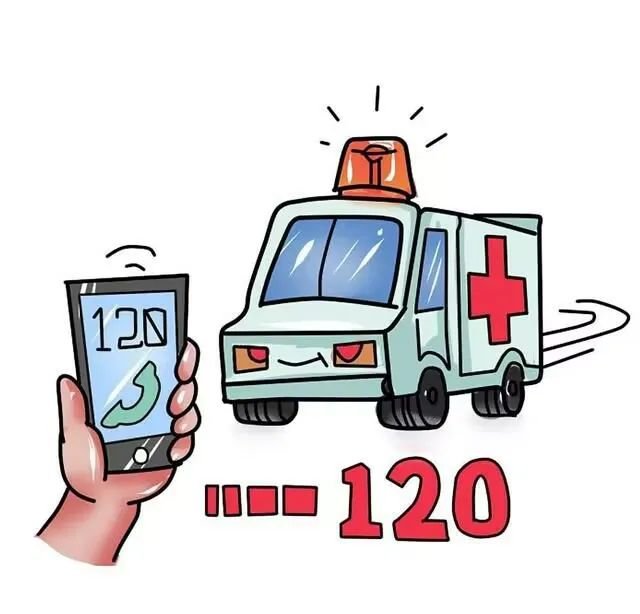
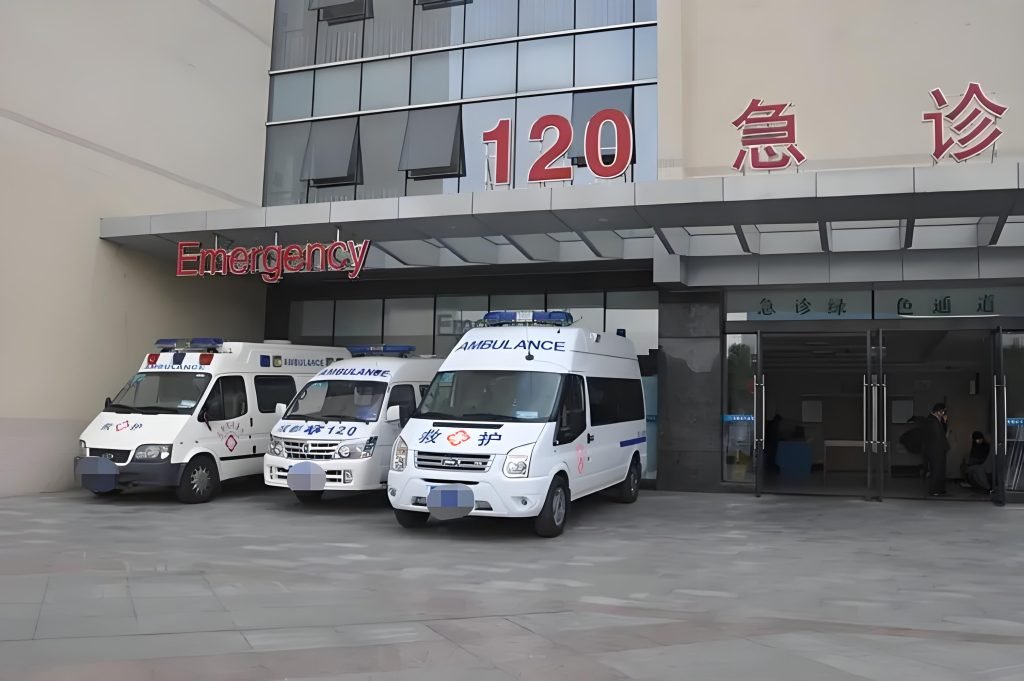
Wuhan has established an efficient and complete medical emergency rescue system to ensure that patients can quickly receive professional assistance in case of emergencies. The medical emergency call in Wuhan is 120. The Wuhan Emergency Center has advanced emergency equipment and an experienced and responsive emergency team, which can respond to all kinds of emergency medical needs in the first place, quickly reach the scene and carry out rescue operations. In addition, some international hospitals and clinics in Wuhan also have 24-hour emergency hotlines, making it convenient for patients to seek help in case of sudden emergencies. When foreign patients first arrive in Wuhan, it is strongly recommended that they understand and remember these emergency rescue information in advance, and at the same time, be familiar with the geographical location of surrounding hospitals, so that they can quickly and accurately obtain medical assistance at critical moments to ensure their own health and safety.
▼ Call 120 For medical emergency
II. The Tourism Situation in Wuhan
(1) Rich Historical and Cultural Scenic Spots
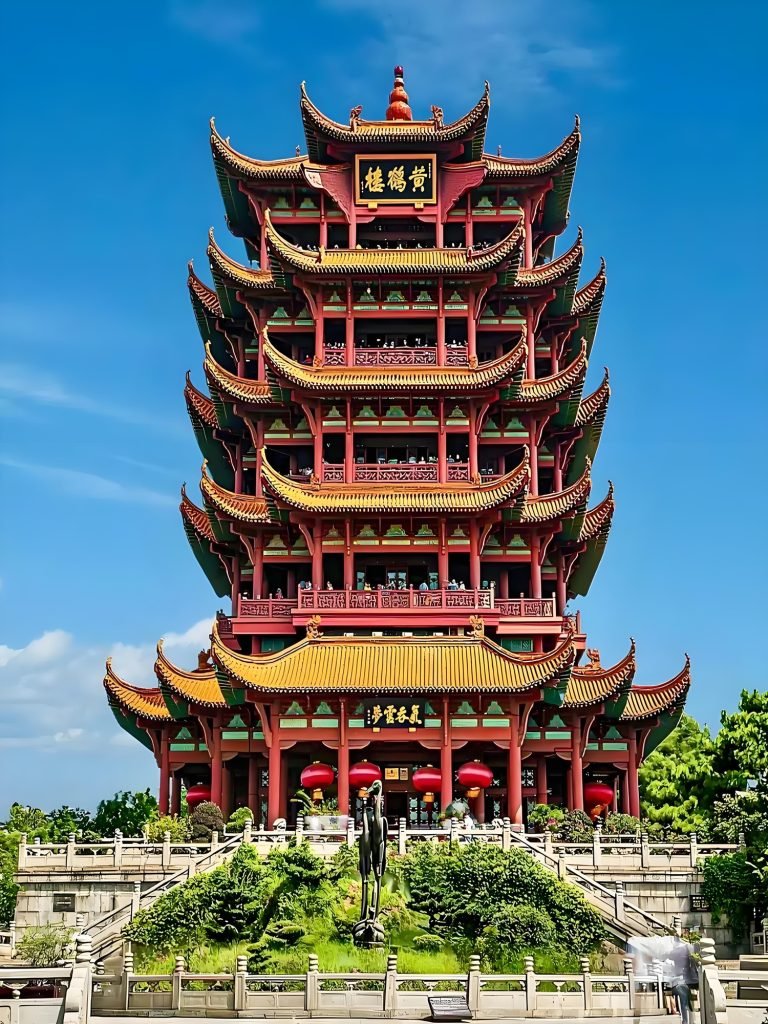
1. Yellow Crane Tower: The Yellow Crane Tower is located at Special No. 1, the Western Slope of Snake Hill, Wuchang District, Wuhan. It is one of the three famous towers in the south of the Yangtze River in China and has been renowned as “the First Tower of the Land under Heaven” and “the Peerless Scenery under Heaven” since ancient times. The Yellow Crane Tower was first built in the second year of Huangwu in the Wu Kingdom during the Three Kingdoms period (223 AD). It has been repeatedly renovated in successive dynasties. The existing building was designed based on the “Tongzhi Tower” in the Qing Dynasty and rebuilt in 1985. The Yellow Crane Tower is situated on the top of Snake Hill at an altitude of 61.7 meters. Trains on the Beijing-Guangzhou Railway whistle past downstairs. The tower has 5 floors, with a total height of 51.4 meters and a building area of 3,219 square meters. The interior of the Yellow Crane Tower is supported by 72 cylindrical columns, and there are 60 upturned eaves extending outward on the exterior. The roof is covered with more than 100,000 pieces of yellow glazed tiles. Standing on the Yellow Crane Tower, one can overlook the magnificent scenery of the three towns of Wuhan, with the Yangtze River surging beneath, which is truly refreshing and pleasing to the mind.
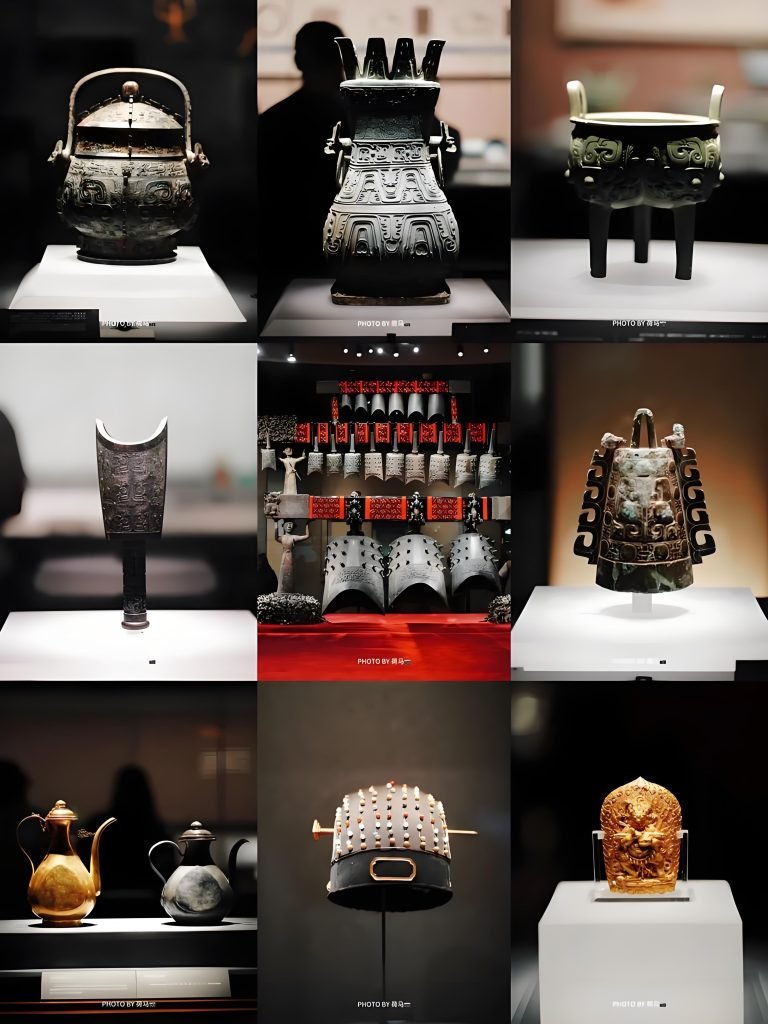
2. Hubei Provincial Museum: Hubei Provincial Museum is located at No. 160, Donghu Road, Wuchang District, Wuhan. It is one of the important national-level museums in China, with a rich and diverse collection of cultural relics. There are currently more than 260,000 pieces (sets) of cultural relics, with bronzes, lacquerware, and bamboo slips being the most characteristic. Among them, there are 945 pieces (sets) of first-class cultural relics at the national level and 16 pieces (sets) of national treasure-level cultural relics. The Sword of Goujian, King of Yue, the Chime Bells of Marquis Yi of Zeng, the Skull Fossil of Yunxian Man, and the Plum Vase with the Four Loves Pattern in Yuan Dynasty Blue-and-White Porcelain are known as the “Four Treasures of the Hubei Provincial Museum.” Tourists can admire the exquisite cultural relics here, learn about the historical culture and artistic achievements of the Hubei region, and feel the unique charm of the ancient Chu culture.
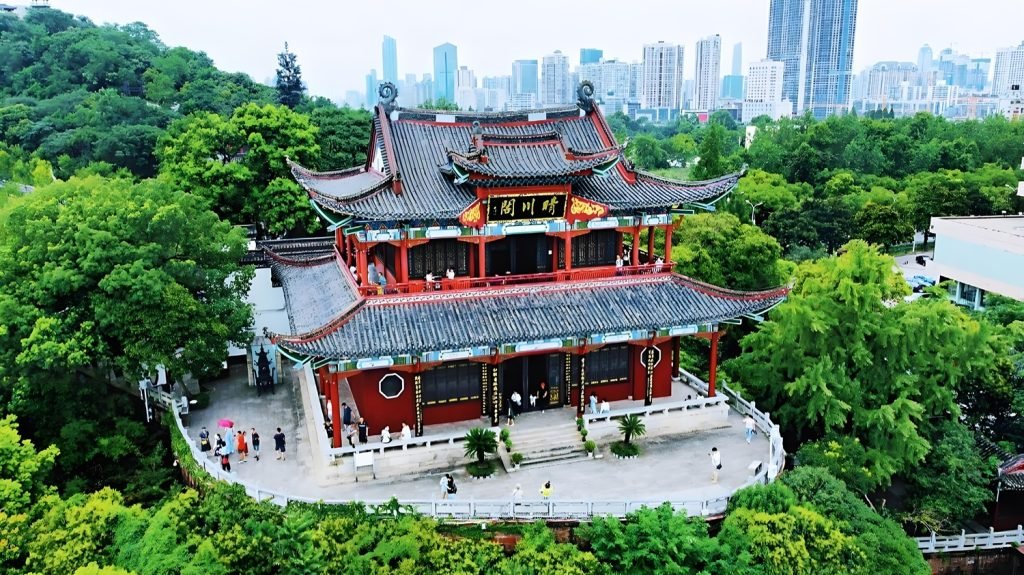
3. Qingchuan Pavilion: Qingchuan Pavilion is located at No. 86, Xima Chang Street, Hanyang District, Wuhan, Hubei Province. It faces the Yellow Crane Tower across the Yangtze River. The pavilions on both sides of the river stand opposite each other, setting each other off, and presenting a magnificent view. It is known as the “Wonderland of the Three Chu Regions.” Qingchuan Pavilion was first built from the 26th to the 28th year of the Jiajing period in the Ming Dynasty (1547–1549 AD). It was added by Fan Zhizhen, the prefect of Hanyang, when he renovated the Yujiji Palace (originally Yuwang Temple). It got its name from the lines of the Tang Dynasty poet Cui Hao, “The clear river reveals the trees of Hanyang distinctly, and the fragrant grass is lush on the Parrot Island.” Qingchuan Pavilion covers an area of about 10,000 square meters and is triangular in shape. It consists of three main buildings, namely Qingchuan Pavilion, Yujiji Palace, and Tiemen Pass, as well as more than a dozen auxiliary buildings, such as the Yu Stele Pavilion, Chaozong Pavilion, Chubo Pavilion, Jingchu Xiongfeng Stele, Dunben Hall Stele, as well as the memorial archway, the riverside revetment, and the winding corridor.
(2) Modern Urban Landscape
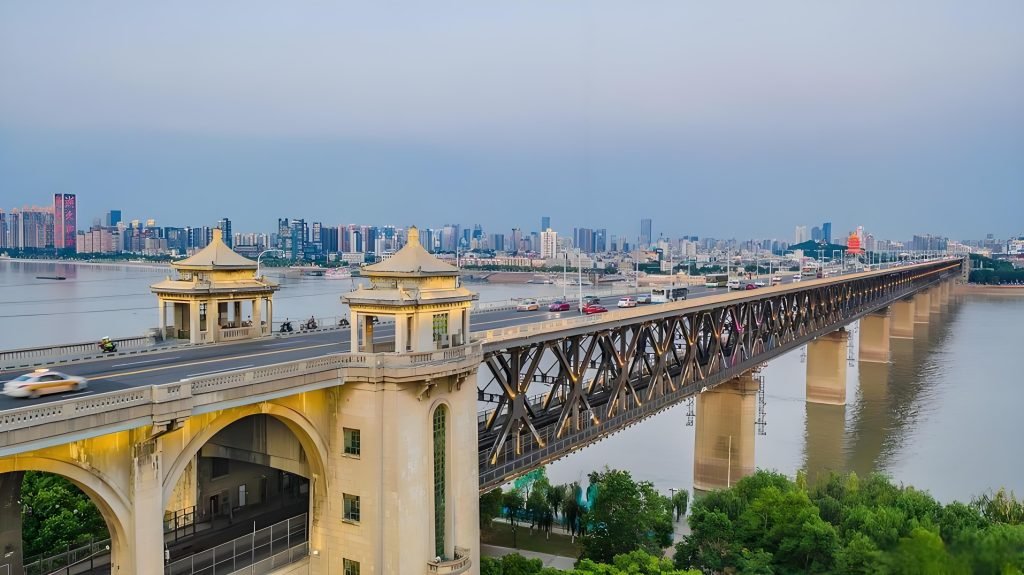
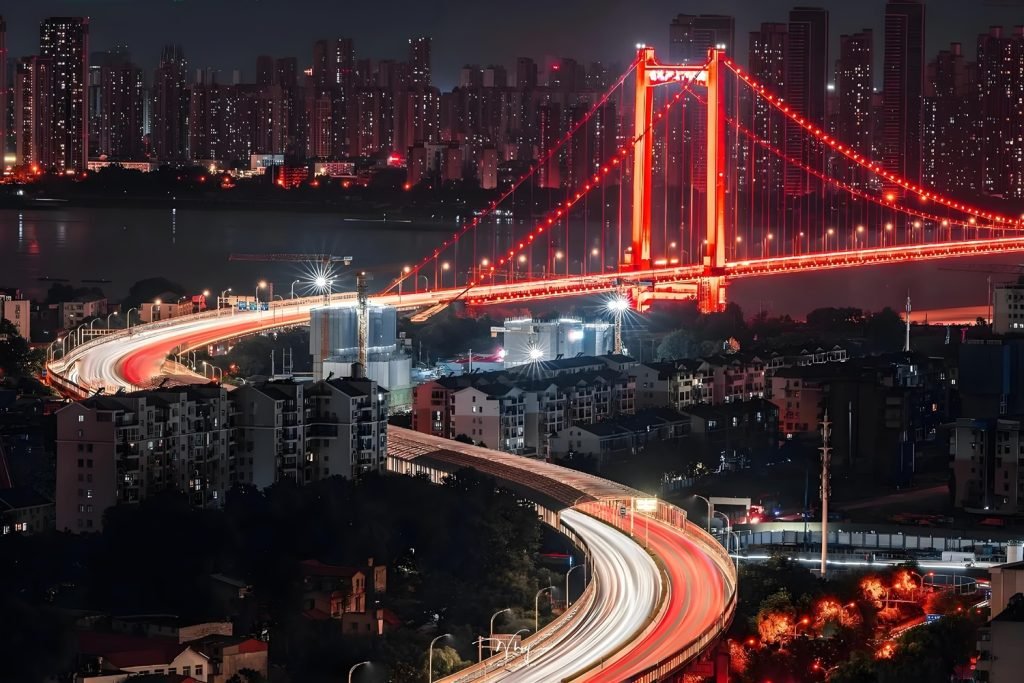
1. Wuhan Yangtze River Bridge: The Wuhan Yangtze River Bridge is located between Snake Hill in Wuchang District and Guishan in Hanyang District, Wuhan, Hubei Province. It is the first bridge on the Yangtze River and also the first road-rail dual-purpose bridge built on the Yangtze River after the founding of the People’s Republic of China, known as the “First Bridge on the Yangtze River.” The construction of the Wuhan Yangtze River Bridge started on September 1, 1955, and it was opened to traffic on October 15, 1957. The bridge mainly consists of the main bridge, approach bridges, bridgehead buildings, and piers, with a total length of 1,670 meters, of which the main bridge is 1,156 meters long and the approach bridges are 514 meters long. The upper layer is a highway bridge, and the lower layer is a double-track railway bridge. The Wuhan Yangtze River Bridge is not only an important transportation hub connecting the three towns of Wuhan but also one of the landmark buildings in Wuhan, demonstrating the modern construction achievements of Wuhan.
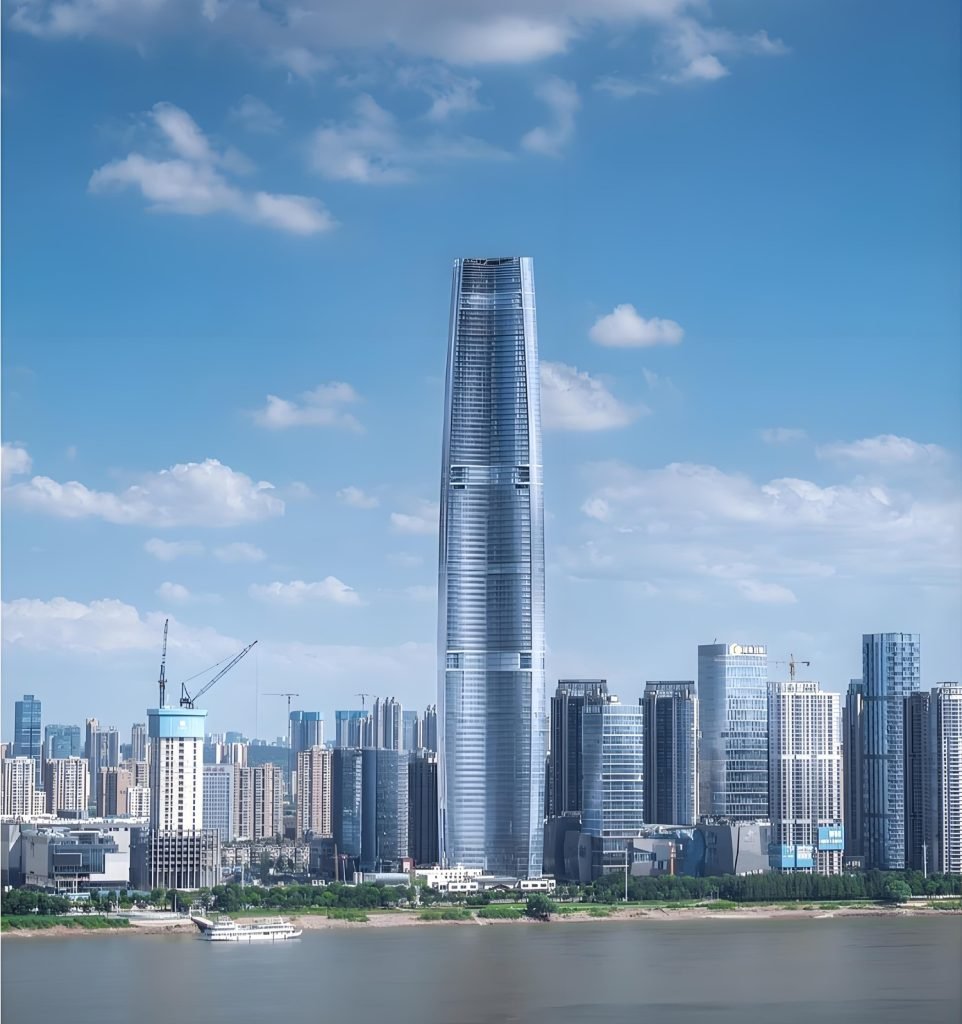
2. Greenland Center Wuhan: Greenland Center Wuhan is located at the intersection of Heping Avenue and Qinyuan Road, Wuchang District, Wuhan. It is one of the landmark buildings in Wuhan. The designed height of this building is 636 meters, and it is a super high-rise urban complex integrating multiple functions such as a super five-star hotel, Grade A office buildings, and high-end commercial areas. The architectural appearance of Greenland Center Wuhan is unique, with a streamlined design, just like a soaring dragon. Standing on the observation deck of Greenland Center Wuhan, one can overlook the beautiful scenery of Wuhan urban area. Especially at night, with the dazzling lights, the buildings on both sides of the Yangtze River are particularly charming under the illumination.
(3) Characteristic Blocks and Cultural Experiences
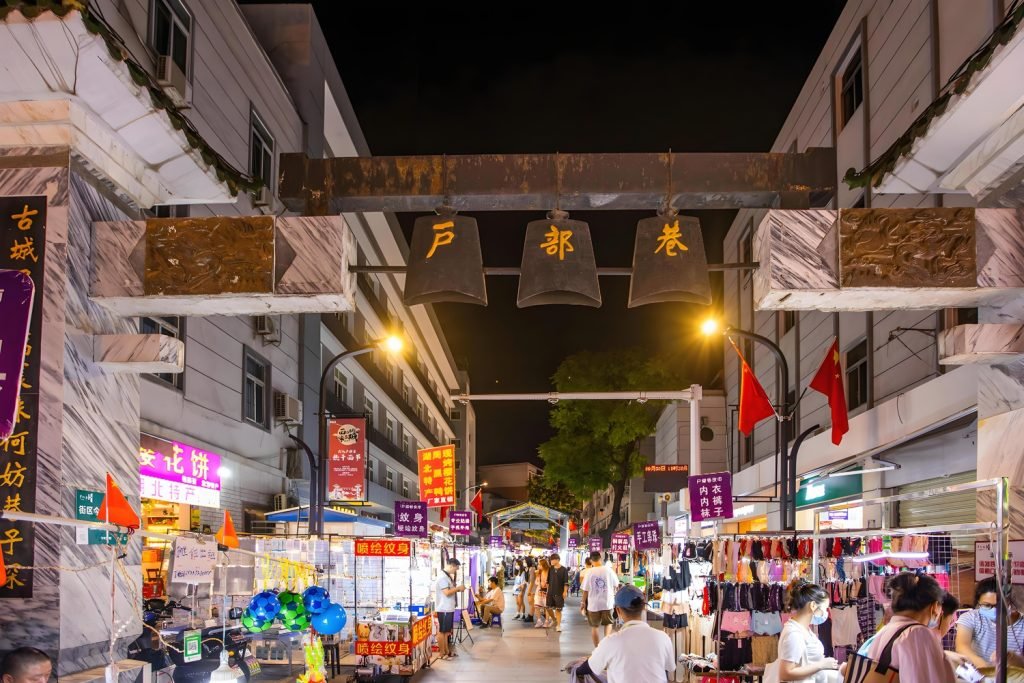
1. Hubu Alley: Hubu Alley is located in Wuchang District, Wuhan, Hubei Province. It is a century-old alley with a length of 150 meters and is known as the “No.1 Alley of Han-style Snacks.” Here, various delicious snacks of Wuhan are gathered, such as hot dry noodles, fish soup noodles, doupi (a kind of fried rice cake), duck necks, etc. Tourists can taste a variety of characteristic Wuhan snacks at one stop here and feel the rich food culture of Wuhan. The architectural style of Hubu Alley has a strong Wuhan flavor, with antique shops lining both sides, full of the breath of life.
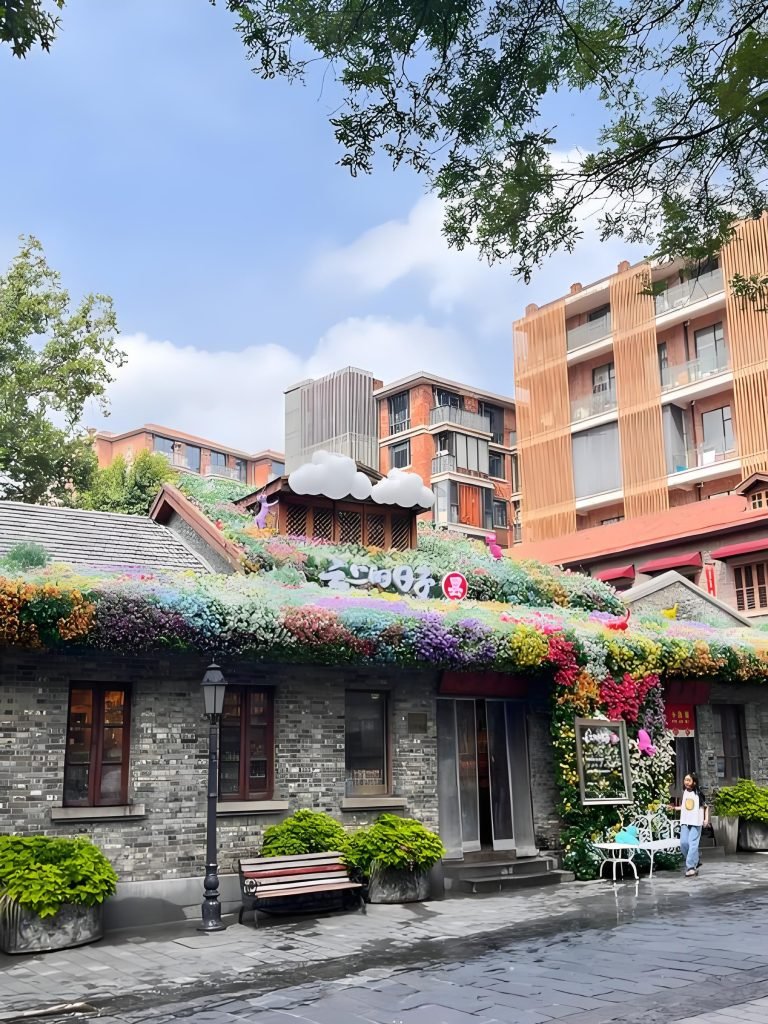
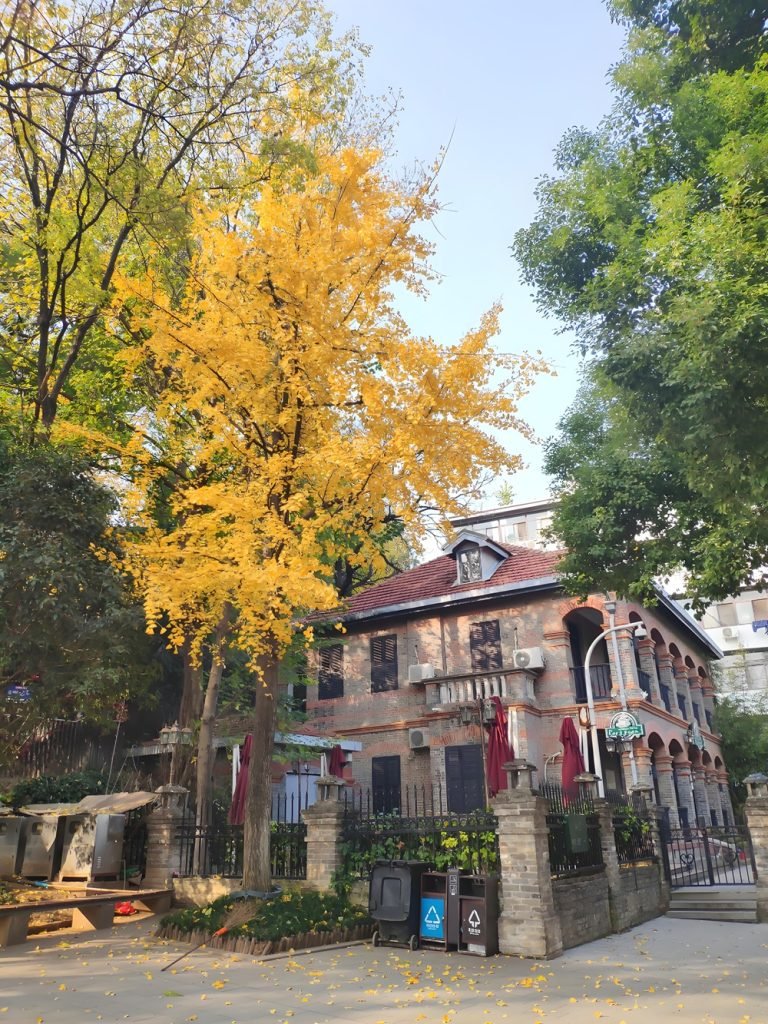
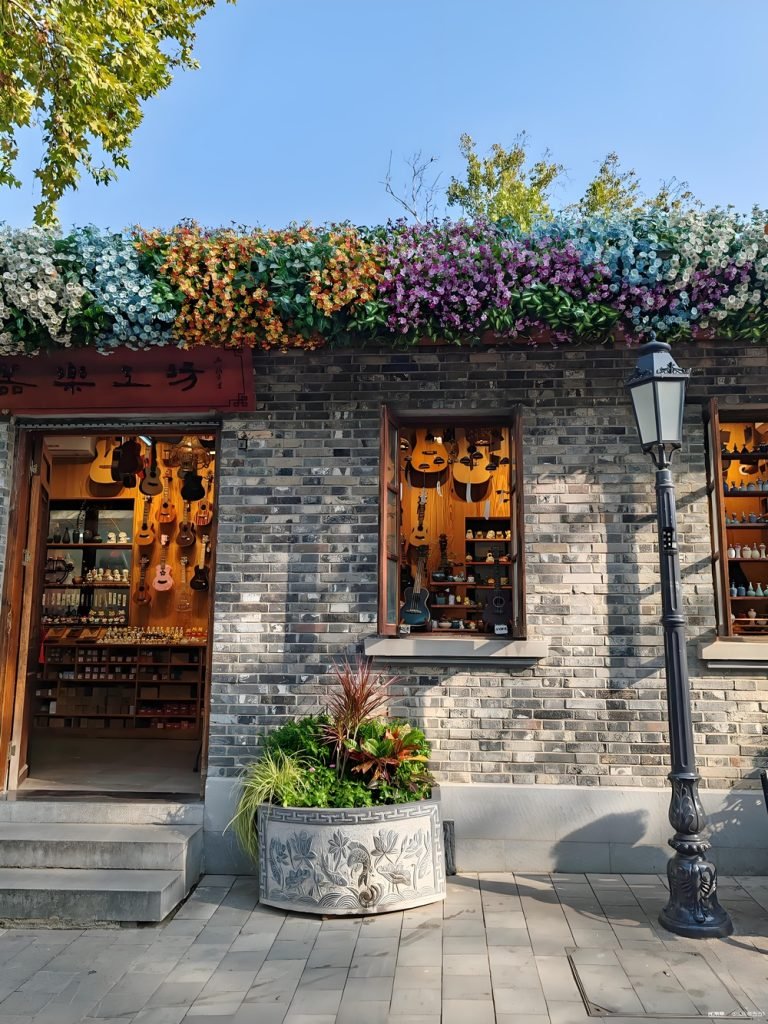
2. Tanhualin: Tanhualin is located between Yanzhi Road and Zhongshan Road, Wuchang District, Wuhan. It is an old street running east-west, with a total length of 1,200 meters. It gradually formed after the expansion and finalization of Wuchang City in the fourth year of Hongwu in the Ming Dynasty (1371 AD). Here, many buildings from the Ming and Qing dynasties and modern historical sites are preserved, such as the Tanhualin Catholic Church, Renji Hospital, and the Former Site of the Swedish Diocese. At the same time, Tanhualin is also a cultural and creative block in Wuhan, with many literary and artistic small shops, cafes, art galleries, etc. Tourists can feel the historical and cultural heritage and modern cultural atmosphere of Wuhan here.
(4) Culinary Experiences
The cuisine in Wuhan is unique, diverse, and mouth-watering.
1. Hot Dry Noodles: Hot dry noodles are a traditional famous snack in Wuhan, known for their unique taste and rich sesame paste flavor. The noodles of hot dry noodles are chewy and elastic, paired with sesame paste, scallions, dried radish, pickled cowpeas, and other seasonings, giving off an inviting aroma and a rich taste. In the streets and alleys of Wuhan, hot dry noodle shops can be seen everywhere, and each shop has its own unique flavor, being an important window for tourists to understand the food culture of Wuhan.

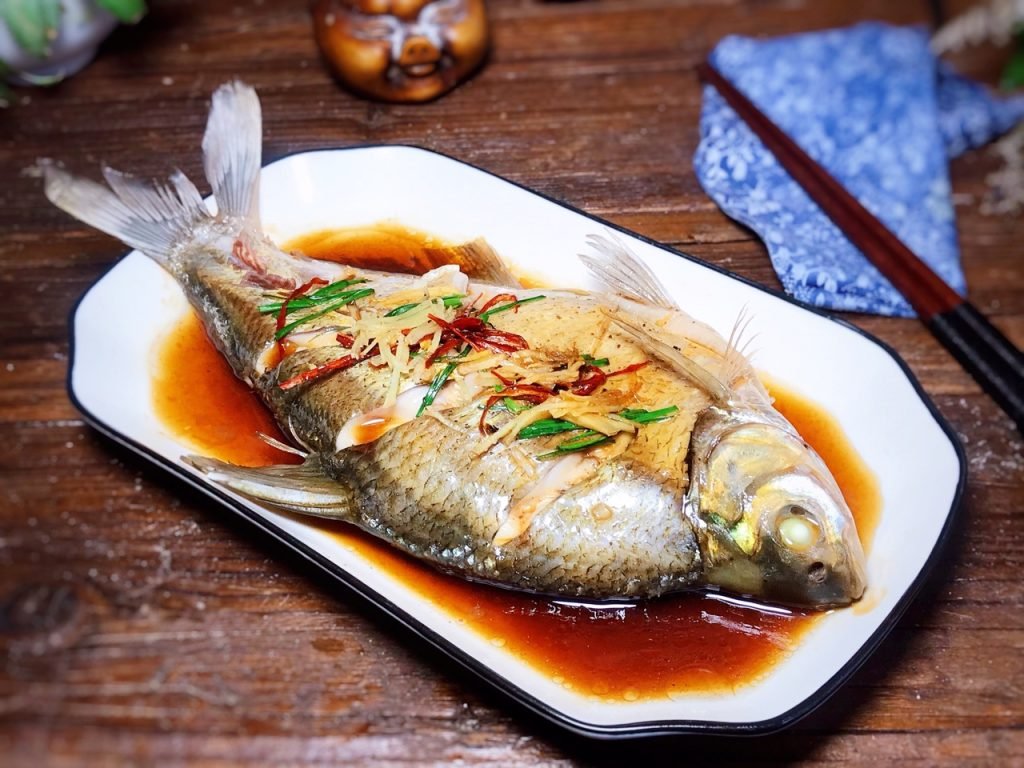
2. Wuchang Fish: Wuchang Fish is one of the characteristic delicacies in Wuhan, loved by people for its tender meat and rich nutrition. The scientific name of Wuchang Fish is Megalobrama amblycephala, which was originally produced in the lakes connected to the Yangtze River in the middle reaches of the Yangtze River and has now been popularized for cultivation all over the country. There are various cooking methods for Wuchang Fish, and steaming, braising in soy sauce, and braising in oil are all very delicious. Among them, steamed Wuchang Fish can best reflect its original flavor.
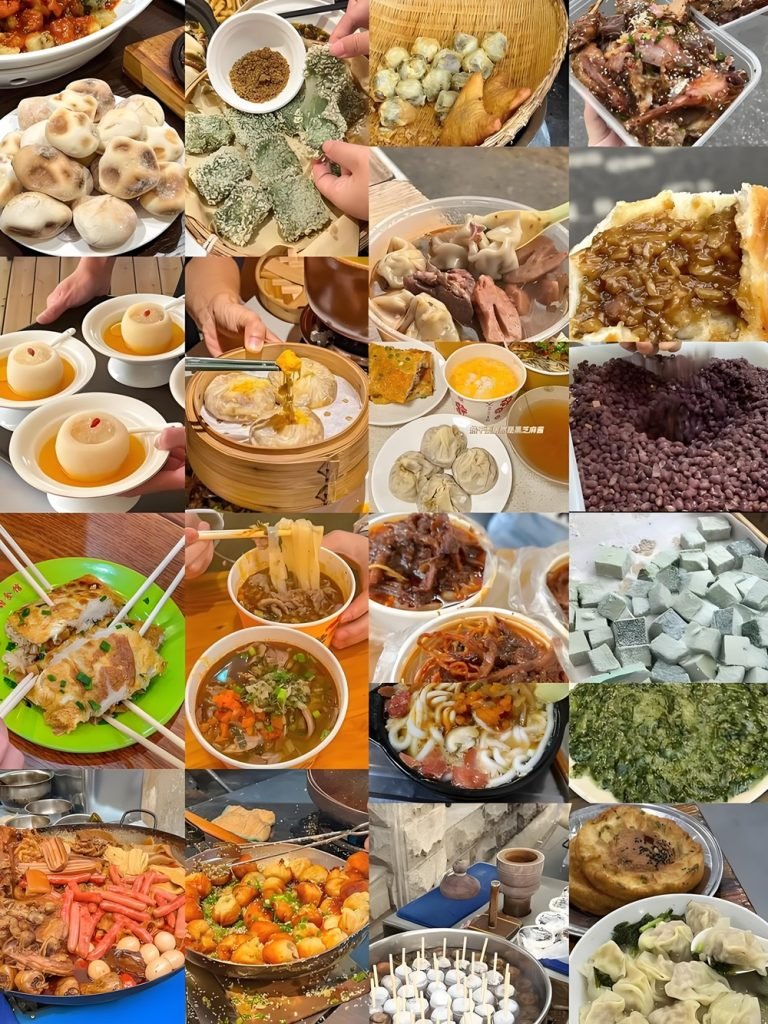
3. Other Special Delicacies: In addition to hot dry noodles and Wuchang Fish, Wuhan also has many other special delicacies. For example, duck necks are very popular for their spicy, numb, fresh, and fragrant taste; Mianwo is a kind of fried rice product, with a crispy taste, thin in the middle and thick at the edges; Fish Soup Noodles use the fish soup boiled with fresh fish as the soup base, paired with thin rice noodles and fried dough sticks, and the taste is delicious. Tourists can taste a variety of characteristic Wuhan snacks at one stop in food blocks such as Hubu Alley and Jiqing Street, and feel the charm of Wuhan’s food culture.
(5) Convenient Transportation and Tourism Services
1. Convenient Transportation: Wuhan has a convenient transportation network, providing great convenience for tourists’ travel. In terms of urban transportation, subways, buses, taxis, and other means of transportation are all available. Subway lines cover the main areas of the city, making it convenient for tourists to reach various scenic spots. For example, taking Subway Line 2 can directly reach scenic spots such as the Yellow Crane Tower and Hubei Provincial Museum; taking Subway Line 4 can reach places such as the Wuhan Yangtze River Bridge and Greenland Center Wuhan. In addition, there are shared bicycles in Wuhan, which are convenient for tourists’ short-distance travel. In terms of external transportation, Wuhan Tianhe International Airport is one of the important aviation hubs in China, with frequent flights to and from many cities at home and abroad; Wuhan’s railway transportation is also very developed, with multiple high-speed rail lines leading to all parts of the country, making it convenient for tourists to come to Wuhan for tourism.
2. Improvement of Tourism Services: With the development of Wuhan’s tourism industry, the quality of tourism services has been continuously improved. Many scenic areas provide multilingual guided tour services, including audio guides and written introductions. Tourism-related places such as hotels and restaurants also pay more and more attention to providing international services. In some popular scenic areas, such as the Yellow Crane Tower and Hubei Provincial Museum, tourists can rent multilingual explanation devices to have a deeper understanding of the historical culture of the scenic spots. At the same time, Wuhan actively promotes mobile payment. In scenic areas, restaurants, shops, and other places, foreign tourists can conveniently use mobile payment, improving the convenience of tourism consumption.

Wuhan, this charming city, can provide foreign friends with high-quality, diverse, and unforgettable experiences both in terms of medical services and tourism. Whether seeking health care or exploring historical culture and enjoying modern urban life, Wuhan is definitely a destination worth choosing.
Additional Resources:
Is healthcare treatment for foreigners in China equal to that for locals?
Why Choose China for Medical Tourism Destination for international medical seekers?
