
As the number of foreigners visiting China continues to increase, it’s essential for travelers and expatriates to be well-informed about accessing medical care during their stay. Whether you’re in China for tourism, business, or long-term residence, this comprehensive guide will walk you through the process of obtaining medical treatment in a foreign environment.
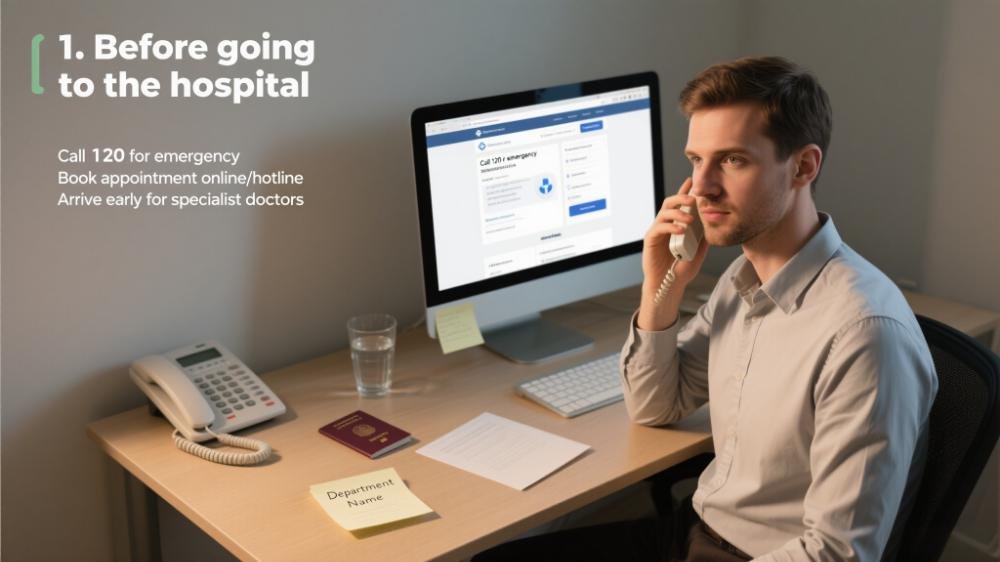
1. Before going to the hospital
1.1. Assessing Your Medical Needs
Understanding the urgency of your condition is the first step to receiving timely care in China:
- Emergencies (e.g., chest pain, severe injury):
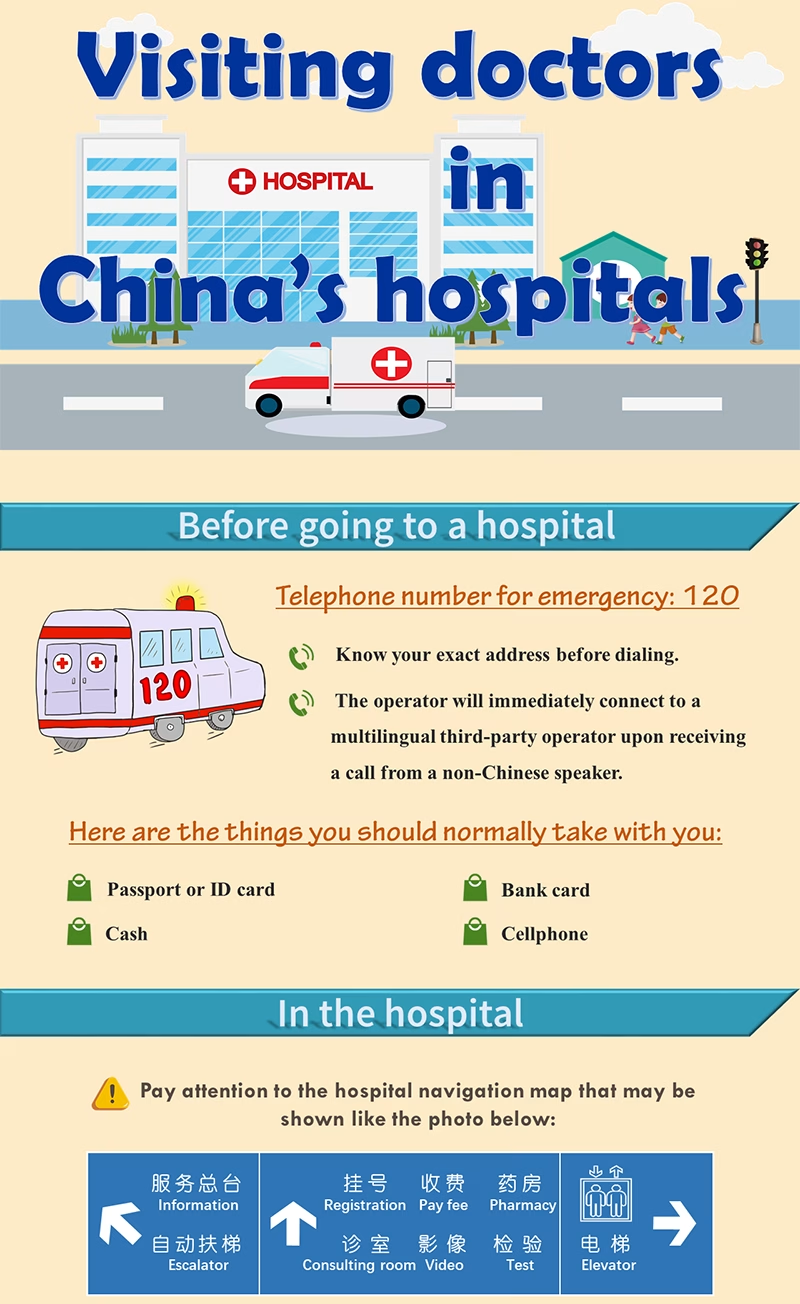
- Call 120 immediately – Clearly state your location and symptoms in simple English or Chinese. For example, say: “I have chest pain and need an ambulance. My address is [location].”
- No appointment needed for emergency rooms (ERs), which operate 24/7. ERs prioritize life-threatening conditions and will provide immediate care.
- Stay calm and follow instructions from the emergency operator. Ambulances are equipped with basic medical tools but may not carry specialized equipment.
- Minor issues (colds, rashes):
- Visit local pharmacies first – Pharmacists can prescribe over-the-counter (OTC) medicines and offer basic advice. Many pharmacies in urban areas employ staff who speak limited English.
- Avoid hospitals unless symptoms worsen to save time and costs.
- Chronic/serious conditions (cancer, heart disease):
- Choose Grade III Level A hospitals – These are the highest-tier public hospitals in China, offering specialized care and advanced diagnostic tools. Examples include Peking University People’s Hospital in Beijing or Ruijin Hospital in Shanghai.
- Consider international clinics for multilingual support if your condition requires frequent visits.
1.2 Choosing a Medical Institution
| TYPE | BEST FOR | KEY CONSIDERATIONS |
|---|---|---|
| Public Hospitals | Cost-sensitive patients | • Long waits; limited English • International Departments offer English services (higher fees) • Accept social insurance for eligible foreigners |
| Private Hospitals | Faster service; comfort | • English widely spoken • Direct billing with international insurance • Higher fees but shorter wait times |
| International Clinics | Western standards | • Full multilingual support • Most expensive option • Ideal for complex cases requiring detailed communication |
* Our website has curated top-tier hospitals across 9 major cities, with over 95% being Grade III, Level A facilities – including public, private and international hospitals.
* Select your ideal hospital based on travel itinerary, medical budget and specific health needs. Click the link to begin your search for hospitals.
1.3 Choosing a department
Chinese hospital departments are divided into general outpatient services and experienced specialist doctors. Patients who want to see an experienced specialist doctor are suggested to arrive at the hospital earlier to wait in line.
Struggling to find the right hospital department? Click here to use our multilingual symptom-department matching tool for instant guidance.
Dialing 120 will get you an ambulance when in medical emergency. Most hospitals have appointment booking services, through the hotline or online platforms.
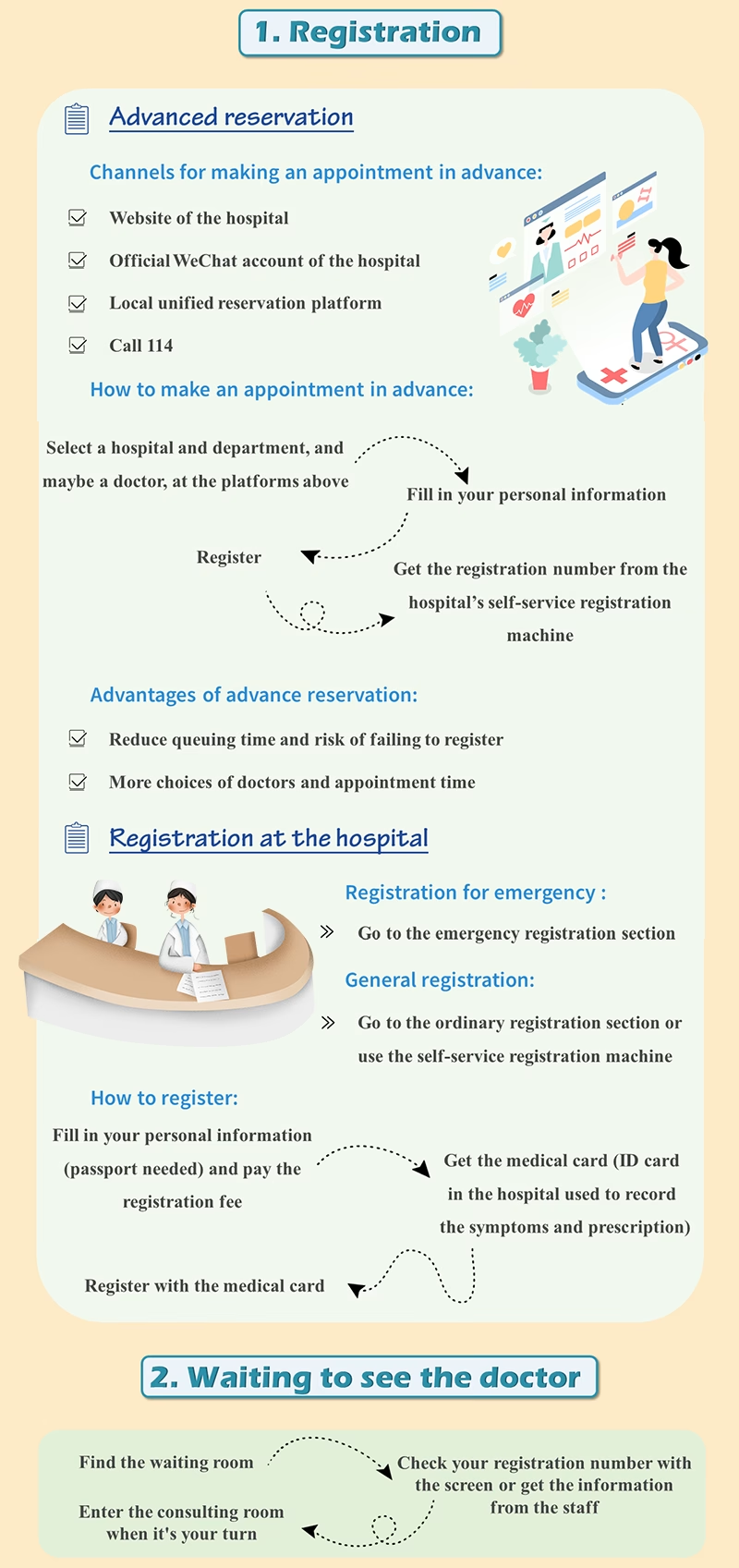
1.4 Making Appointments
1.4.1 Required for non-emergencies
Online:
- Beijing: Use the 114 Appointment Platform or the WeChat “114 Appointment” mini-program.
- Shanghai: Use the “Shanghai Government Services” app (随申办).
- Other cities: Check hospital websites or apps like Yuyueguahao for nationwide options.
Phone:
- Dial 114 (Beijing) or hospital-specific hotlines (e.g., 400-066-1144 for Peking University People’s Hospital).
Critical rules:
⚠️ Passport mandatory for registration – Bring your passport and visa/residence permit to all appointments.
⚠️ Appointments expire same day – Arrive 30 minutes early to avoid delays.
1.4.2 Preparing for Your Visit
Essential checklist:
- Documents:
- ✅ Passport & visa/residence permit
- ✅ Translated medical records (for complex conditions) – Use certified translation services.
- ✅ Insurance card (check if direct billing is accepted).
- Payment:
- ✅ Alipay/WeChat Pay (recommended) – Most hospitals now support mobile payments.
- ✅ Cash (RMB) – Many hospitals require upfront payment for tests or consultations.
- Language aids:
- ✅ Key Chinese phrases: Téng (疼) = Pain, Fāshāo (发烧) = Fever.
- ✅ Translation apps (e.g., Google Translate) – Use the camera feature to scan medical terms.
2. Register
- Pay a small fee (¥50-100) to obtain a medical card and queue number.
- Wait patiently – Public hospitals often have long lines.
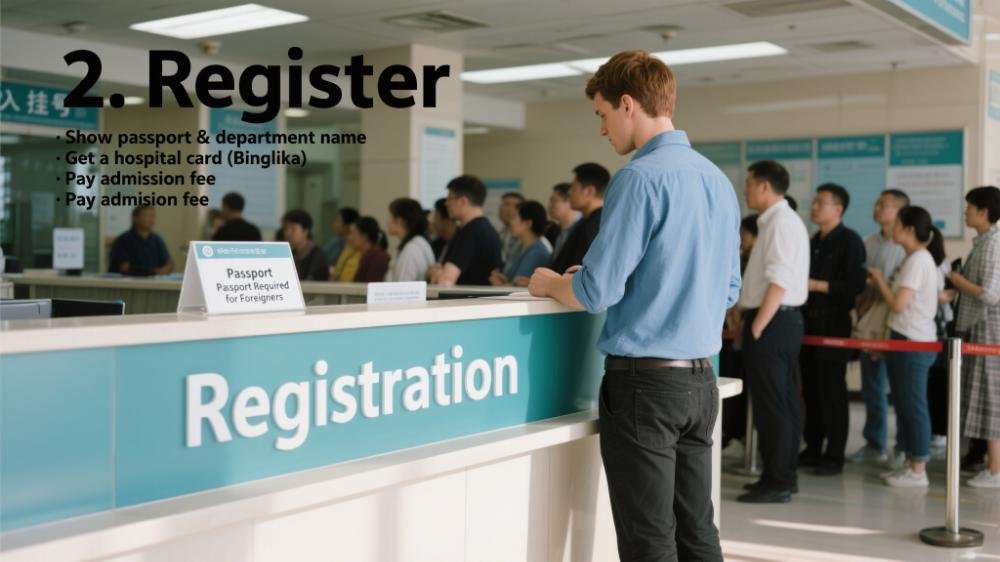
After arriving at the hospital, the patient should first register (guahao) at the admission desk and pay an admission fee. Materials needed for registration include the patient’s passport and maybe a piece of paper with the name of the specific department.
The patient will get a hospital card (binglika) if he/she has not been to the clinic before. The hospital card is needed during future visits.
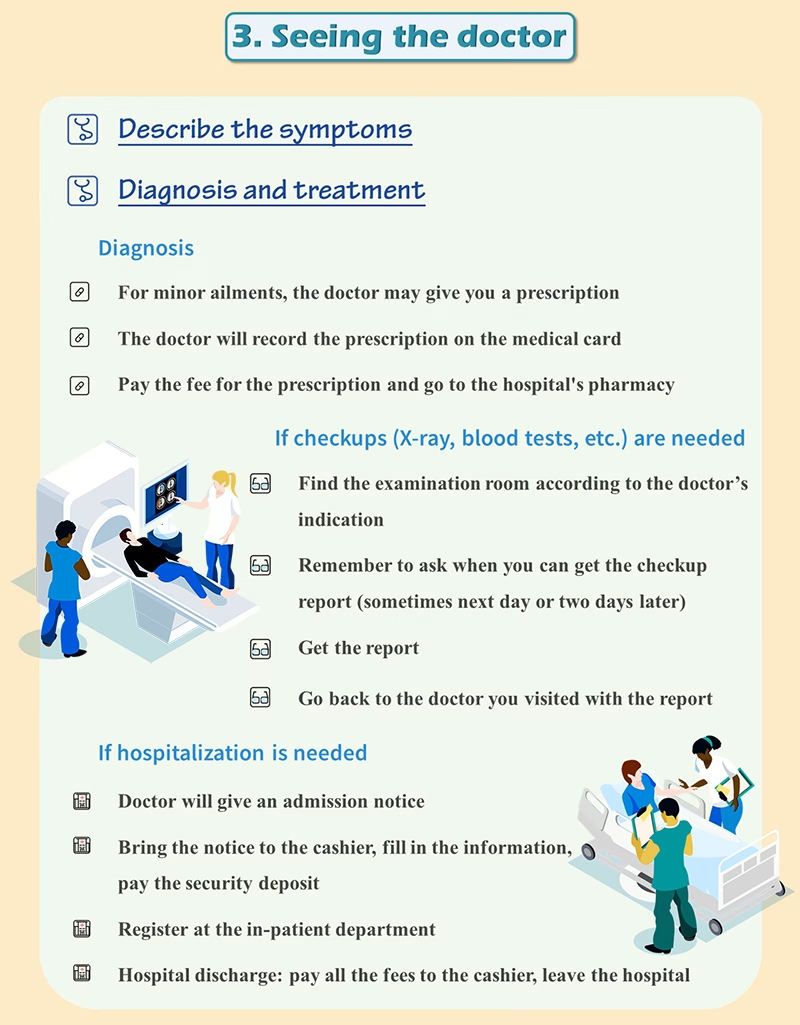
3. Seeing the doctor
- Describe symptoms concisely in English or use a translator. For example: “I have a headache for three days and no fever.”
- Ask clarifying questions if needed – Doctors may speak slowly if they detect limited Chinese proficiency.
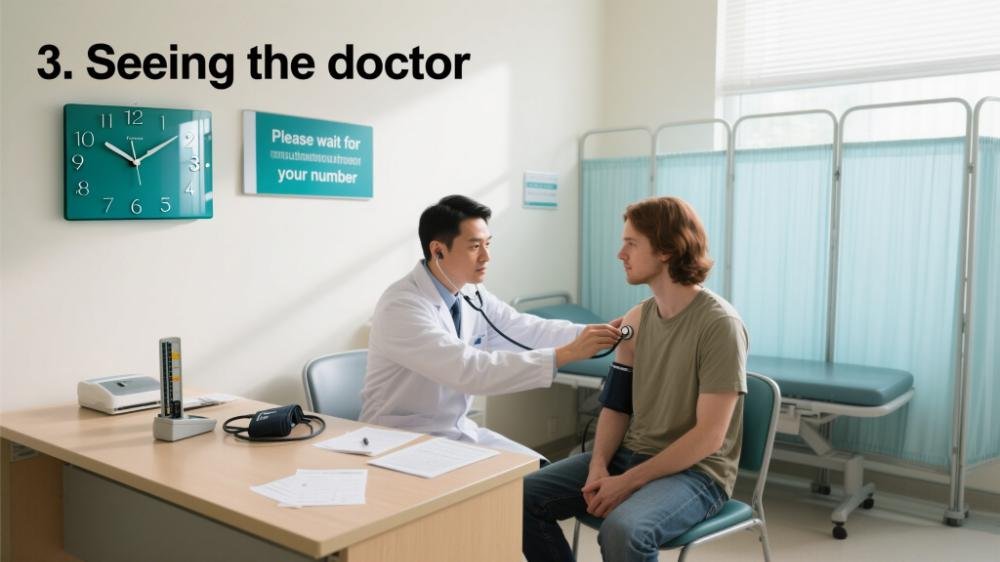
The patient will enter a consultation room to see the doctor when his/her number is called. The doctor will do a few checks with instruments after inquiring the patient on his/her illness.
There are no separate waiting areas and consultations rooms in some public hospitals, so the patients may need to go behind a curtain or screen in the need to undress.
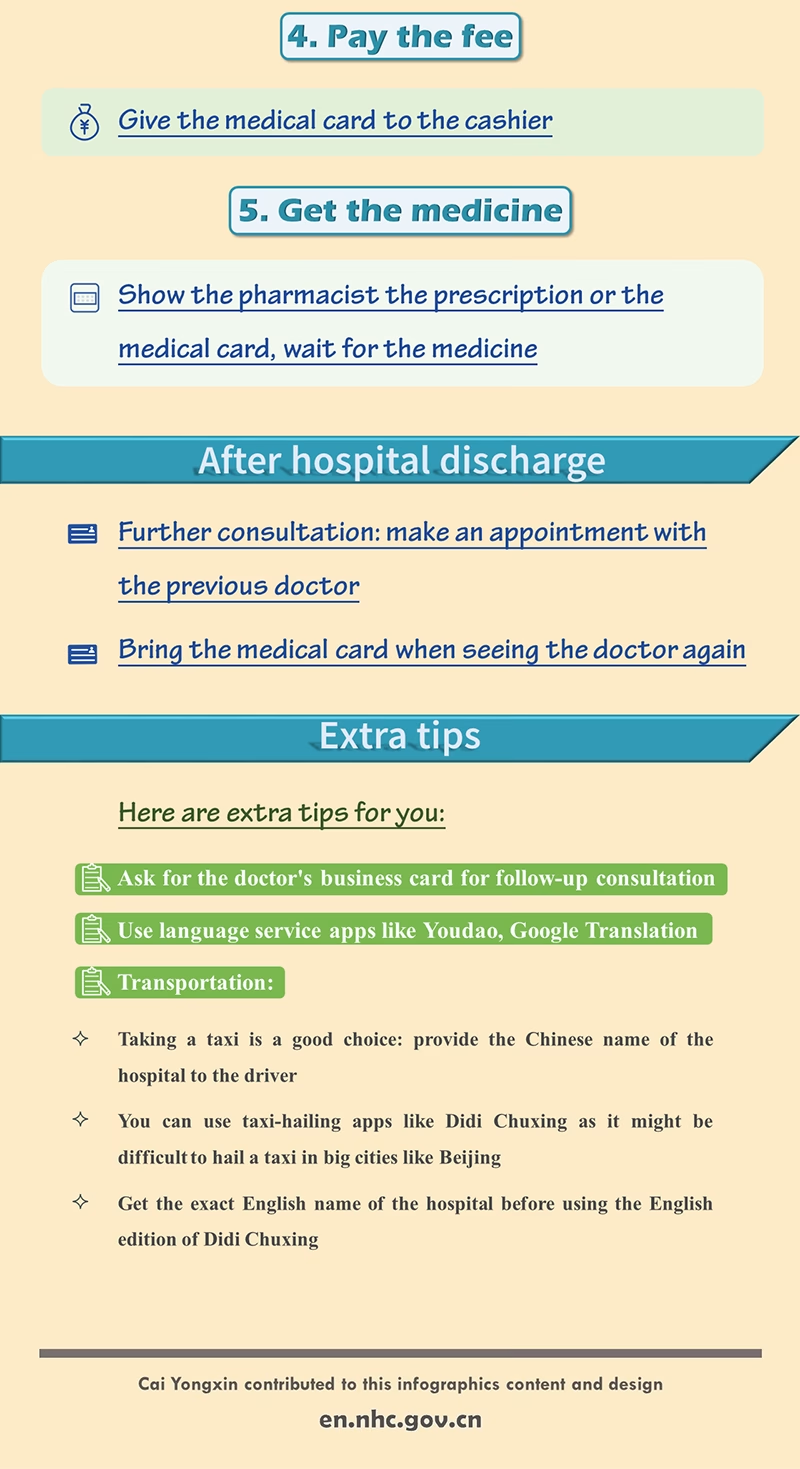
4. Get the medicine and pay fees
- Western and Chinese medicines are dispensed separately – Check labels carefully for dosage and side effects.
- Ask pharmacists to explain instructions if unsure.
| TYPE | PROCEDURE |
|---|---|
| Social Insurance | Use your medical card (医保卡) at designated hospitals. Coverage varies for foreigners – confirm eligibility beforehand. |
| Commercial Insurance | Pay upfront → Claim with itemized bills (费用清单). Some insurers require pre-authorization for specialist visits. |
| Self-pay | Keep all receipts for reimbursement claims – Hospitals may issue English invoices upon request. |

After the doctor gives you a prescription (chufang), the patient needs to pay the fee and then can get the medicine from the hospital pharmacy (yaofang). The patient shows the chemist the prescription and will be given what he/she needs.
A hospital’s pharmacy is usually located at the lobby of the out-patient building.
5. Do further tests and pay fees
- Pay before tests – Follow color-coded floor signs to labs or imaging centers.
- Request test results in both Chinese and English for clarity.
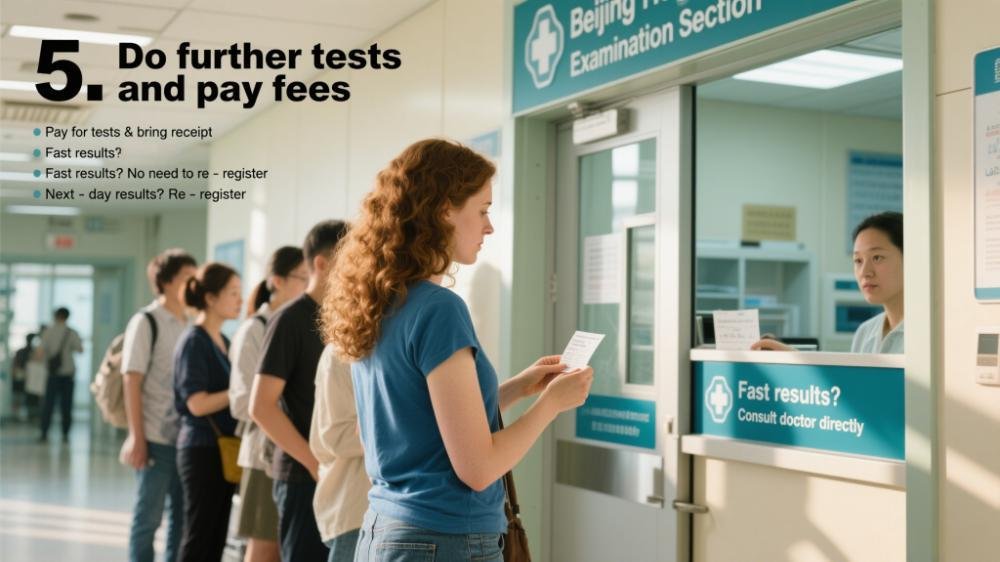
Further tests may be prescribed if the doctor thinks the patient has an infection or more serious problems. The patient could go to the section where the examinations are carried out with a receipt after paying for the examination.
If the examination results come out quickly, the patient can consult the original doctor without waiting in line.
If the results come out another day, the patient has to register again.
6. Hospitalization or surgery
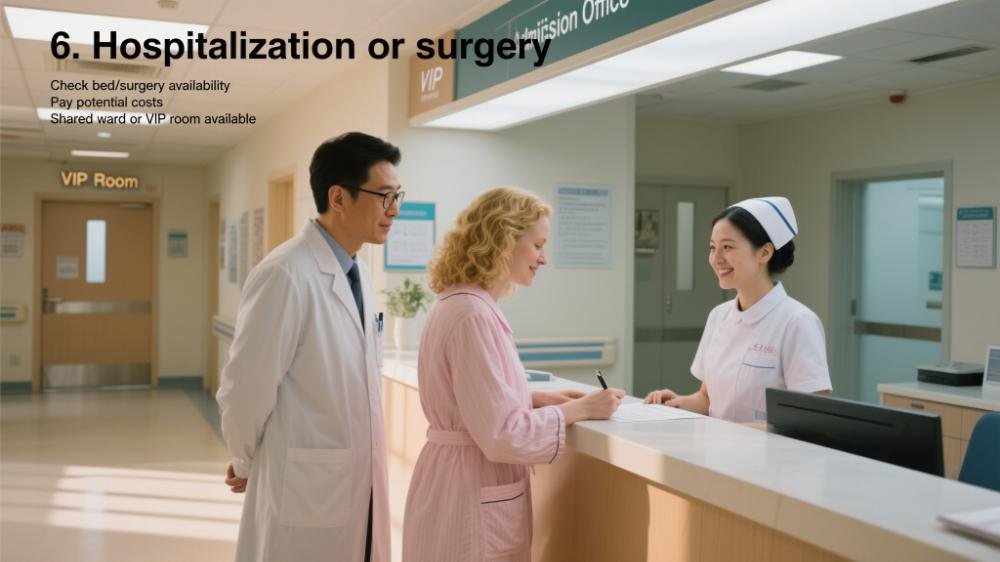
If hospitalization and/or surgery is required, the doctor will check when a bed and surgery are available. Then the patients need to pay all the potential costs.
The patient may share a ward with several other patients. But a VIP ward with a private or semi-private room may also be available.
7. Follow-up & Rehabilitation
Mandatory for:
- Post-surgery recovery or chronic disease management (e.g., diabetes).
- Physical therapy – Some hospitals offer rehabilitation centers with English-speaking staff.
Rehabilitation tips:
- ✅ Request written exercise/diet plans from doctors.
- ✅ Use hospital apps for online follow-up consultations – Available in major cities like Beijing and Shanghai.
Critical Tips for Success
- Clearly and concisely explain your condition to the doctor.
- Cultural considerations:
- Shared consultation rooms are common in public hospitals – Prepare for limited privacy.
- Doctors may ask about your lifestyle (e.g., diet, smoking habits) – Answer honestly for accurate diagnosis.
- Emergencies:
- Call 120 → Say “Wǒ xūyào jiùhùchē” (I need an ambulance) + your address.
- Carry a local contact to assist with communication if needed.
- how to save your time and effort, e.g. Avoid crowds:
- Make appointments via WeChat, apps, or phone.
- See a general practitioner first for initial diagnosis; consult specialists if needed later.
- Arrive 30 minutes early for your appointment.
- Avoid Weekends and holidays (often have longer waits) and peak hours (8–11 AM Mon–Wed). Visit weekdays 1–4 PM for shorter waits.
- Prepare materials like passport, hospital card, and checkup results beforehand.
- Wear loose clothes and avoid makeup.
- Use mobile payments like WeChat Pay or Alipay.
- Recommended download
Medical Guide Handbook (For International Patients in China)-V1
- Additional Resources:
Bilingual Doctor-Patient FAQ Communication: Essential Guide for International Patients in China
Is healthcare treatment for foreigners in China equal to that for locals?
Best Diseases to Treat in China: Dental, Cancer, IVF & More for International Medical Tourists
Why Choose China for Medical Tourism Destination for international medical seekers?
