

Laser eye surgery myths are everywhere—from “it’s too risky” to “results are permanent.” We’re debunking the most common misconceptions about SMILE, LASIK, and myopia surgery recovery to help you make an informed choice.
As laser eye surgery continues to gain popularity as an effective vision correction solution, numerous myths and misconceptions have emerged, often misleading prospective patients. Based on clinical evidence and expert insights from comprehensive guides on medical procedures in China, this article aims to dispel seven common myths surrounding laser eye surgery.
Common Laser Eye Surgery Myths About Safety
When considering laser eye surgery myths, it’s important to separate fact from fiction, especially when exploring options like China laser vision correction.
Myth 1: Laser Eye Surgery Can Cause Blindness
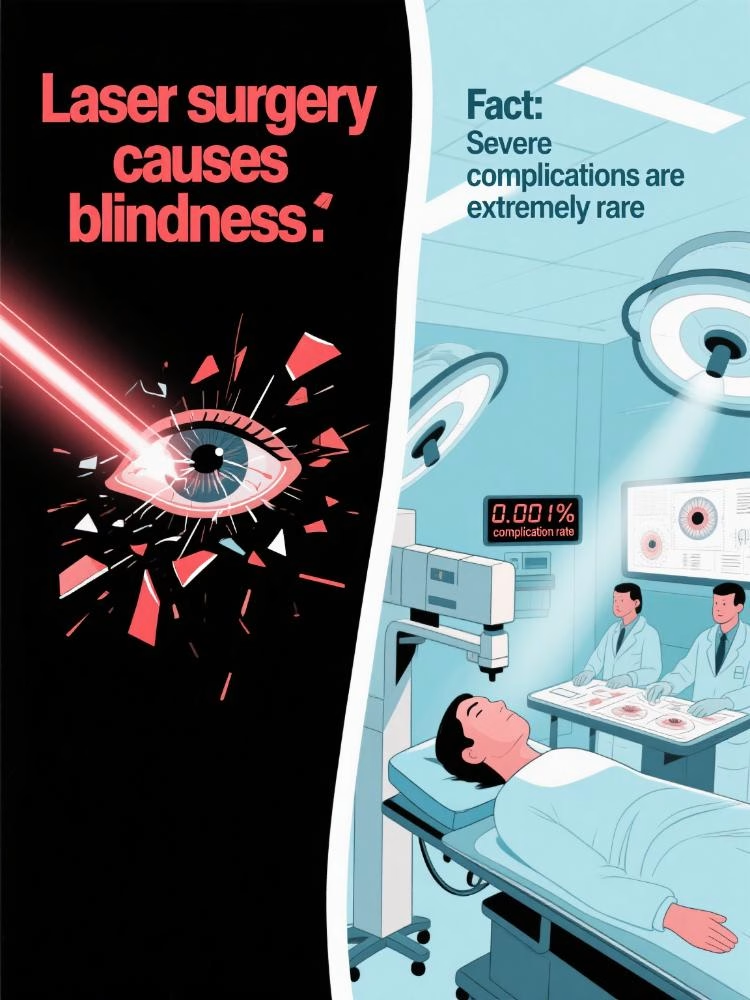
One of the most alarming misconceptions about laser eye surgery is the fear that it can lead to blindness. This myth often causes unnecessary anxiety among patients considering the procedure.
Fact:
- Safety Record: Laser eye surgery has an excellent safety profile. The risk of severe complications like blindness is extremely low, with studies showing a rate of less than 0.001% (AAO 2024 report). The procedure only affects the cornea’s superficial layers, avoiding critical structures like the optic nerve.
- Pre-operative Screening: Comprehensive pre-operative evaluations, including 25-point corneal mapping, identify and exclude high-risk candidates such as those with keratoconus.
- Technological Safeguards: Modern laser systems feature real-time eye-tracking that pauses the procedure if movement exceeds 0.15mm, and emergency suction release prevents excessive corneal thinning.
Summary: The risk of blindness from laser eye surgery is virtually non-existent when performed at accredited centers with proper pre-operative screening and advanced technology.
Myth 2: You’ll Never Get Nearsighted Again After Surgery
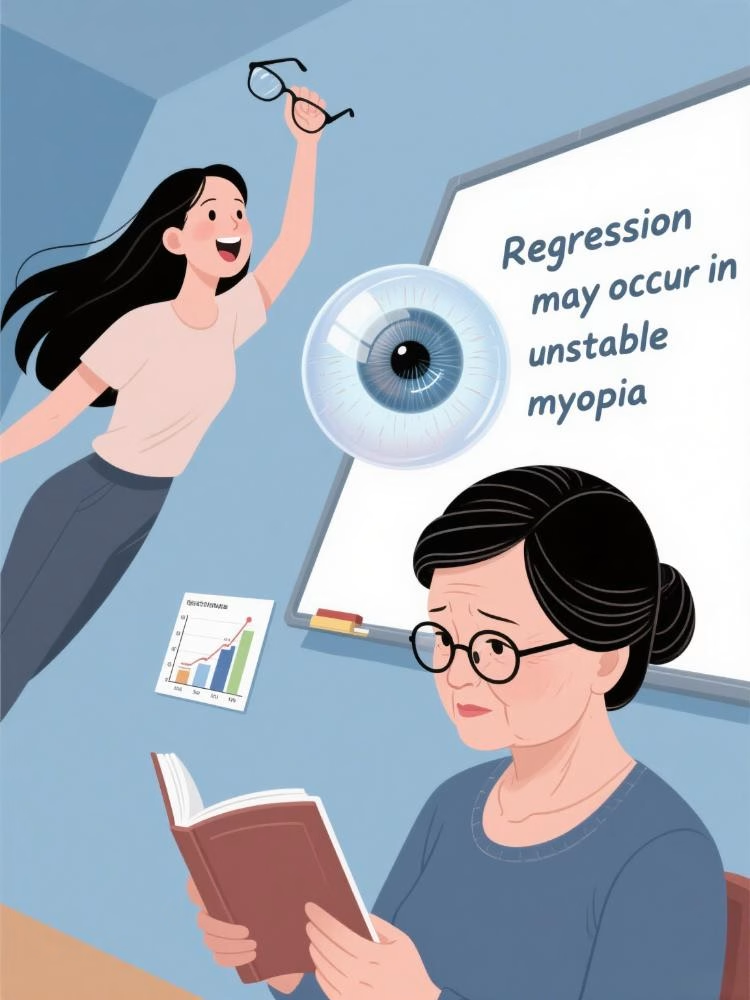
Many patients believe that undergoing laser eye surgery provides a permanent solution to nearsightedness, eliminating the possibility of its recurrence.
Fact:
- Age-Related Changes: The natural aging process can lead to presbyopia, which affects 92% of individuals by age 45 (Journal of Refractive Surgery). This is unrelated to the surgical correction of nearsightedness.
- Regression Factors: Regression may occur if initial nearsightedness was unstable. Surgeons require at least 1–2 years of stable refraction prior to surgery.
- Enhancement Procedures: Approximately 5%–10% of patients may need enhancements, typically due to high degrees of nearsightedness or thin corneas, not from recurrence.
Summary: While laser eye surgery corrects existing refractive errors, it does not prevent age-related vision changes or eliminate the need for reading glasses in the future.
Myth 3: The Procedure Is Extremely Painful
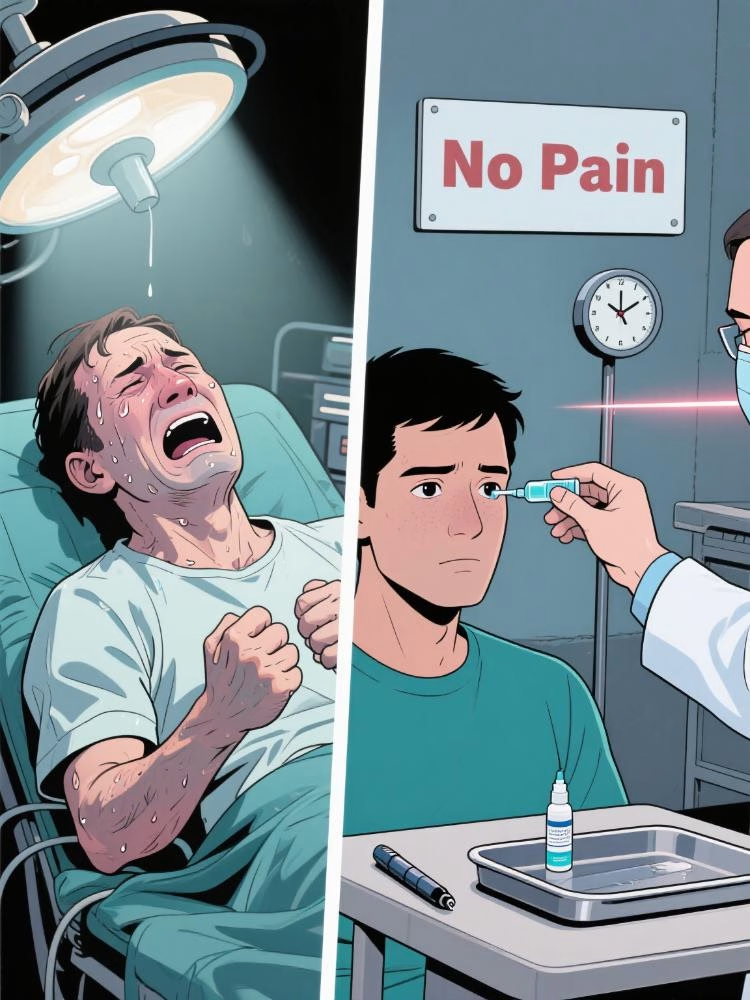
The fear of experiencing intense pain during laser eye surgery is a common deterrent for many potential patients.
Fact:
- Minimally Invasive: Laser eye surgery is designed to be minimally invasive. Anesthetic eye drops are administered before the procedure, effectively numbing the eye and minimizing discomfort.
- During Surgery: Patients may feel mild pressure or a strange sensation, but severe pain is rare. For example, SMILE surgery typically involves brief eye pressure, while LASIK may have a momentary sensation when creating the corneal flap.
- Post-Surgery Recovery: Mild discomfort such as a gritty sensation or tearing is normal and can be managed with over-the-counter pain relievers. Most discomfort subsides within 1–2 days.
Summary: Laser eye surgery is minimally uncomfortable, with most patients experiencing little to no pain during or after the procedure.
Myth 4: You Can Resume All Activities Immediately After Surgery

Some patients mistakenly believe they can return to their normal activities, including sports and swimming, right away after laser eye surgery.
Fact:
- Phased Recovery: Full visual stabilization requires 3–6 months. Patients achieve functional vision within 1–2 days but need time for complete healing.
- Activity Restrictions: Patients should avoid swimming, hot tubs, and contact sports for 1–2 weeks to prevent infections and corneal flap dislocations. Water exposure and impacts during sports can disrupt healing.
- Eye Strain Activities: Extended computer use or fine print reading should be limited during initial recovery. Following post-operative care instructions is crucial for optimal results.
Summary: While vision improves quickly, full recovery takes several months, and patients should avoid strenuous activities and eye strain initially.
Myth 5: Everyone Is a Suitable Candidate for Laser Eye Surgery

There is a common misconception that laser eye surgery is a universal solution for anyone with vision problems.
Fact:
- Contraindications: Several conditions disqualify individuals, including corneal thickness <480μm, uncontrolled autoimmune diseases, and pupil size >7mm in dim light. These factors affect surgery safety and effectiveness.
- Pre-Op Rejection Rates: SMILE has an 18% rejection rate (mostly due to thin corneas), LASIK 23% (often due to dry eye syndrome), and ICL 12% (typically due to low endothelial cell count).
- Special Populations: Pregnant or breastfeeding women are advised to postpone surgery due to hormonal changes affecting vision stability. A thorough pre-operative evaluation determines candidacy.
Summary: Not everyone is a suitable candidate for laser eye surgery; strict medical criteria must be met to ensure safety and effectiveness.
Myth 6: Laser Eye Surgery Is Only Suitable for Low Degrees of Nearsightedness
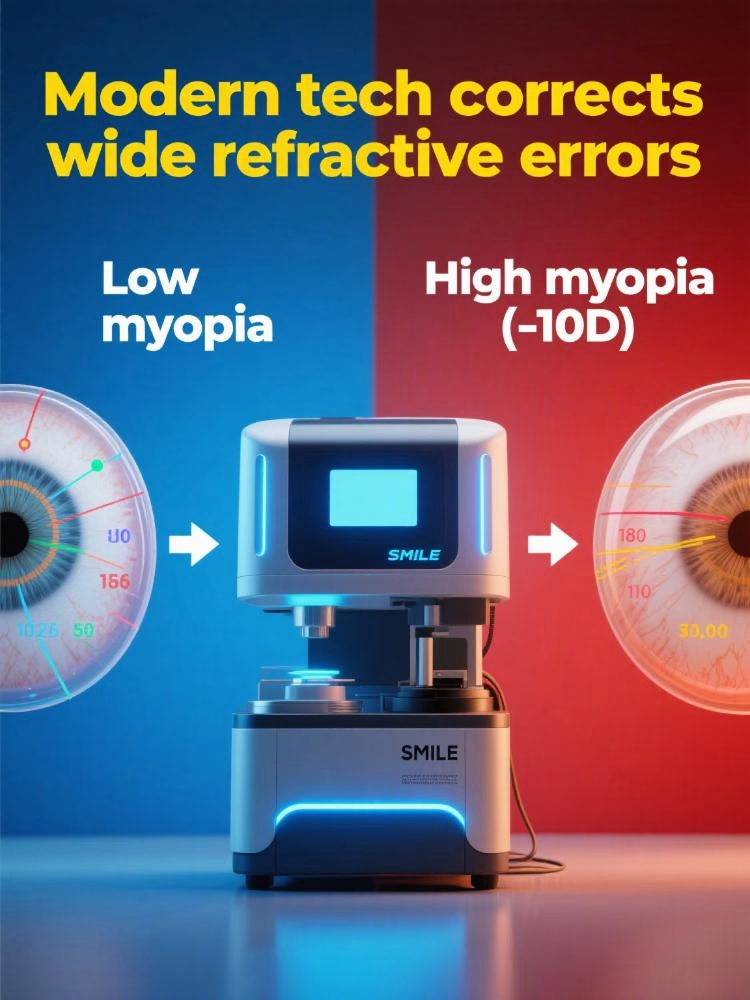
Many people believe that laser eye surgery is only effective for low degrees of nearsightedness and cannot address higher degrees or other vision problems.
Fact:
- Range of Corrections: Modern techniques like SMILE can correct up to -10 diopters of nearsightedness. The choice of procedure depends on corneal thickness, pupil size, and specific refractive error.
- Procedure Selection: Surgeons recommend the most suitable procedure based on individual eye conditions and visual requirements. For example, patients with thinner corneas may be better suited for PRK rather than LASIK.
Summary: Laser eye surgery can correct a wide range of refractive errors, from mild to severe, with appropriate procedure selection.
Myth 7: Laser Eye Surgery Results Are Not Permanent
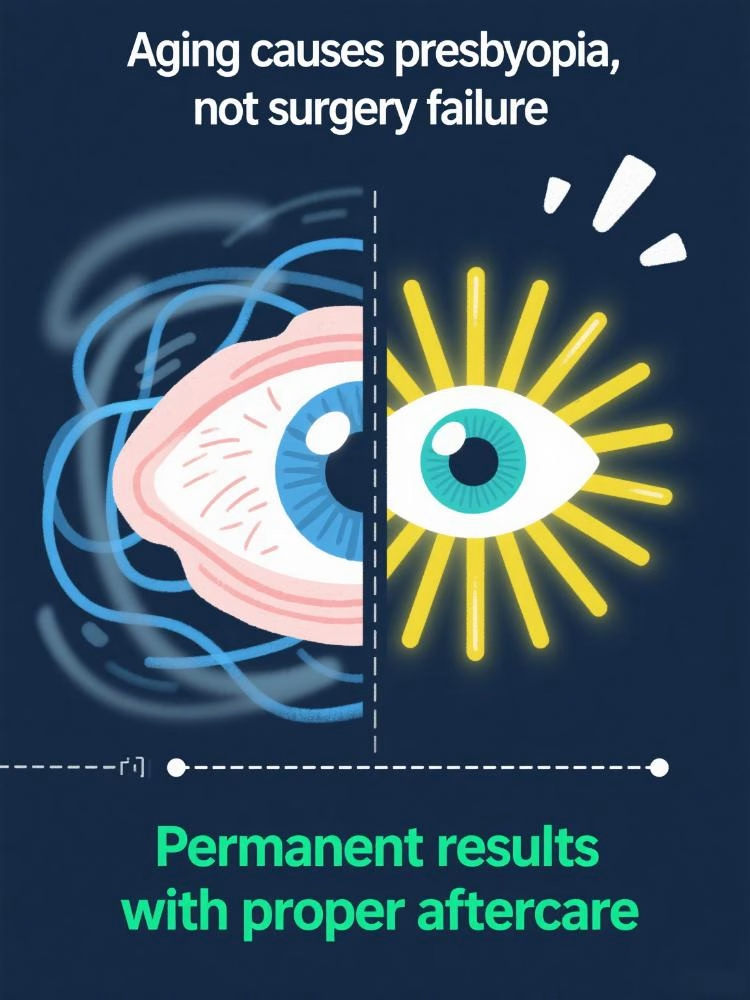
There is a misconception that the results of laser eye surgery are temporary and that the refractive error will eventually return.
Fact:
- Permanent Corneal Reshaping: The laser permanently reshapes the cornea, and the correction remains stable. For most patients, the results are long-lasting.
- Aging Considerations: Presbyopia, a natural aging process affecting near vision, is not related to the surgery. It occurs in most individuals over 45 years of age.
- Post-Operative Care: Proper adherence to post-operative instructions, such as using prescribed eye drops and avoiding harmful activities, ensures optimal long-term outcomes.
Summary: Laser eye surgery results are permanent for the majority of patients, although aging may introduce new vision challenges unrelated to the surgery.
The Evidence-Based Path Forward
Laser vision correction is safer than contact lenses (5× lower infection risk) when:
- Performed at accredited centers (JCI/ISO 9001 certified)
- Guided by 3D corneal tomography (e.g., Pentacam)
- Followed by strict 12-month aftercare
“No credible clinic guarantees ‘perfect’ results. Ethical surgeons prioritize candidacy screening over profits.”
— Dr. Zhang Ming, ISRS Surgical Standards Committee
Laser eye surgery can significantly improve vision. To make informed decisions, patients need to understand the realities and consult with qualified ophthalmologists for tailored information. This knowledge helps in choosing the right path for better vision. Success relies on realistic expectations, pre – operative preparation, and following post – operative care guidelines.
For international patients considering laser eye surgery in China, our team at MedChinaGuide connects you with the best eye hospitals and experienced surgeons, ensuring safe, reliable care and a smooth recovery journey.
Data Sources: American Academy of Ophthalmology (AAO), International Society of Refractive Surgery (ISRS), WHO Vision 2025 Report
