Why Choose Beijing for Medical Tourism?
Beijing medical tourism has emerged as a top choice for international patients seeking high-quality care combined with unforgettable travel experiences, which means it offers a unique blend of advanced treatments and cultural exploration.
I. Medical Situation in Beijing
(I) Abundant and High-quality Medical Resources
As the capital of China, Beijing is endowed with abundant and high-quality medical resources. As of 2023, the number of medical institutions in the whole city was 12,518 , with 765 hospitals, covering both non-profit public hospitals operated by the government and private medical institutions run by social forces. Various medical institutions have complete functions and their own characteristics, allowing foreign patients to choose different medical institutions according to their own needs. For example, Peking Union Medical College Hospital of the Chinese Academy of Medical Sciences (PUMCH) has a history of a hundred years and enjoys a high reputation internationally. It is very popular among patients from Europe and the United States and is designated as the medical service institution for many international conferences. Its outpatient department for foreign guests receives more than 100 patients every day and has 100 special beds for foreign guests. At the same time, some international medical rescue organizations, such as the European Emergency Medical Center and the Asian Emergency Medical Center, have also signed agreements with Peking Union Medical College Hospital to recommend patients to seek treatment here. Beijing Friendship Hospital has outstanding technology in kidney transplantation surgery. With high quality and relatively low cost (only 40% of the cost in developed countries), it enjoys a global reputation and is particularly favored by patients from East Asia.
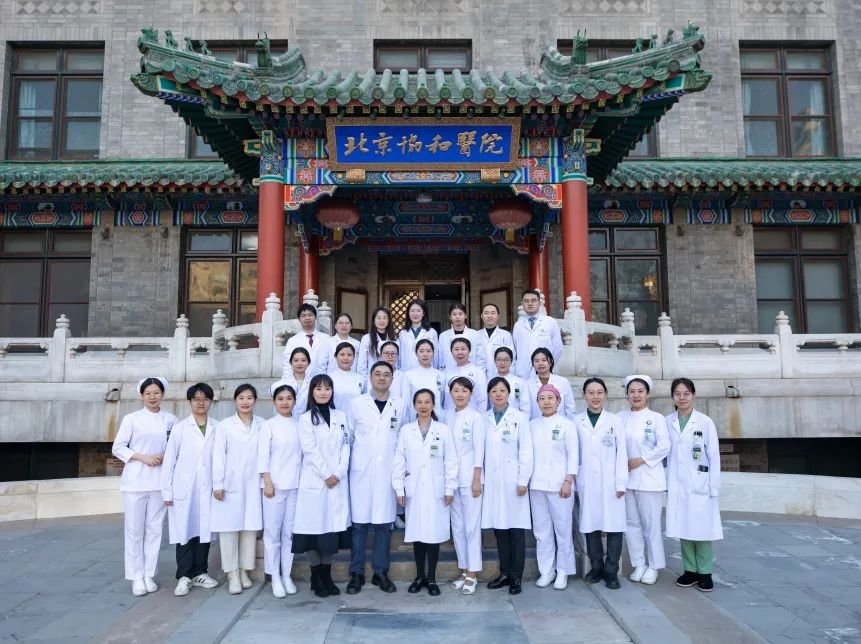
▲ Group photo of the Department of Rare Diseases (PUMCH)
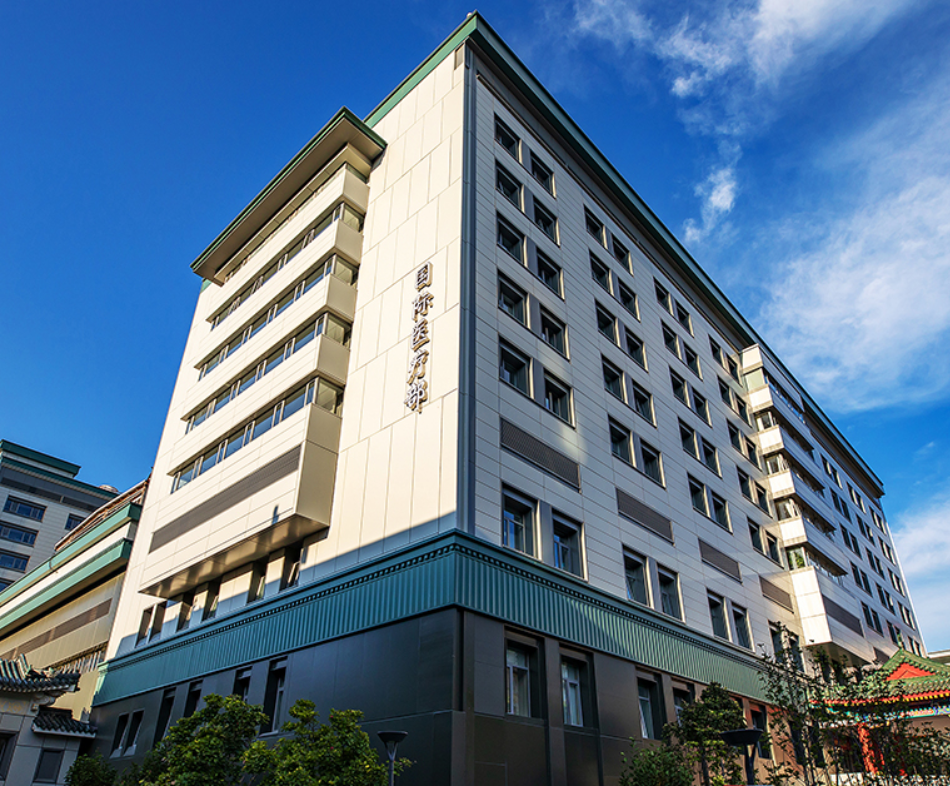
▲ International Medical Services of PUMCH
(II) Internationalized Medical Services
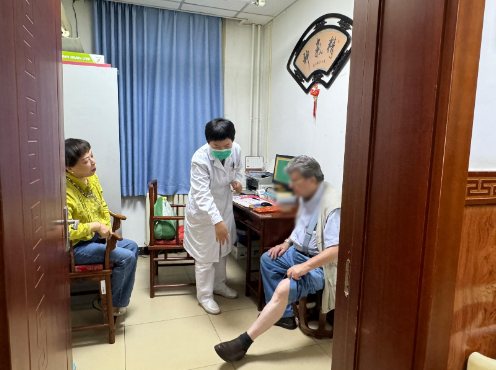
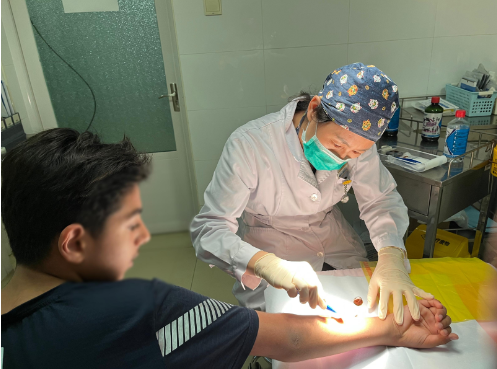
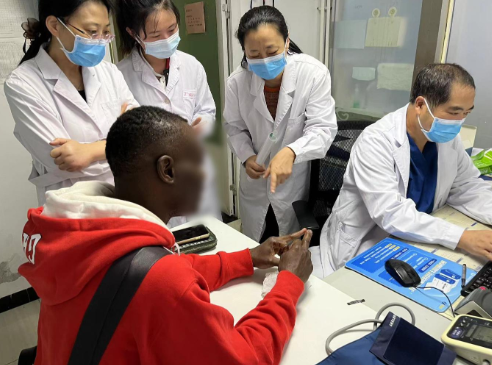
To facilitate foreign patients’ access to medical treatment, Beijing encourages public hospitals to establish international medical departments, fully considering the needs of foreign patients in terms of medical procedures, religious beliefs, ethnic customs, lifestyle, language communication, eating habits, etc., so as to provide patients with a comfortable medical experience. Many hospitals have bilingual signs, and some even have multilingual guiding signs. For example, the Sanlitun Community Health Service Center is located in the Taikoo Li commercial district in Sanlitun, where there is a concentrated population of expatriates. It receives hundreds of foreign patients every year. On the wall of the outpatient hall, there are bilingual information about the foreign doctor team in Chinese and English, including consultation time, location, and areas of expertise. There are dedicated staff at the information desk to guide foreign guests for medical treatment. On the shelf, there are bilingual guides on family doctor contracting, international outpatient services, medical English, and other aspects. Even the ground guiding lines are marked in four languages: Chinese, English, Japanese, and Korean, enabling patients to smoothly complete the processes of registering, paying, consulting, examination, and getting medicine. The general practitioners in the foreign doctor team here have all participated in the international medical training organized by Chaoyang District, studied the international advanced general practice management model and medical English, and obtained the course completion certificate issued by the International Federation for Medical Education in Primary Care. The traditional Chinese medicine doctors are bilingual traditional Chinese medicine talents specially trained by Chaoyang District and can conduct consultations and daily communication in English without any obstacles.
▼ Sanlitun Community Health Service Center (Chinese doctors are treating foreign patients)
(III) Diverse Medical Options
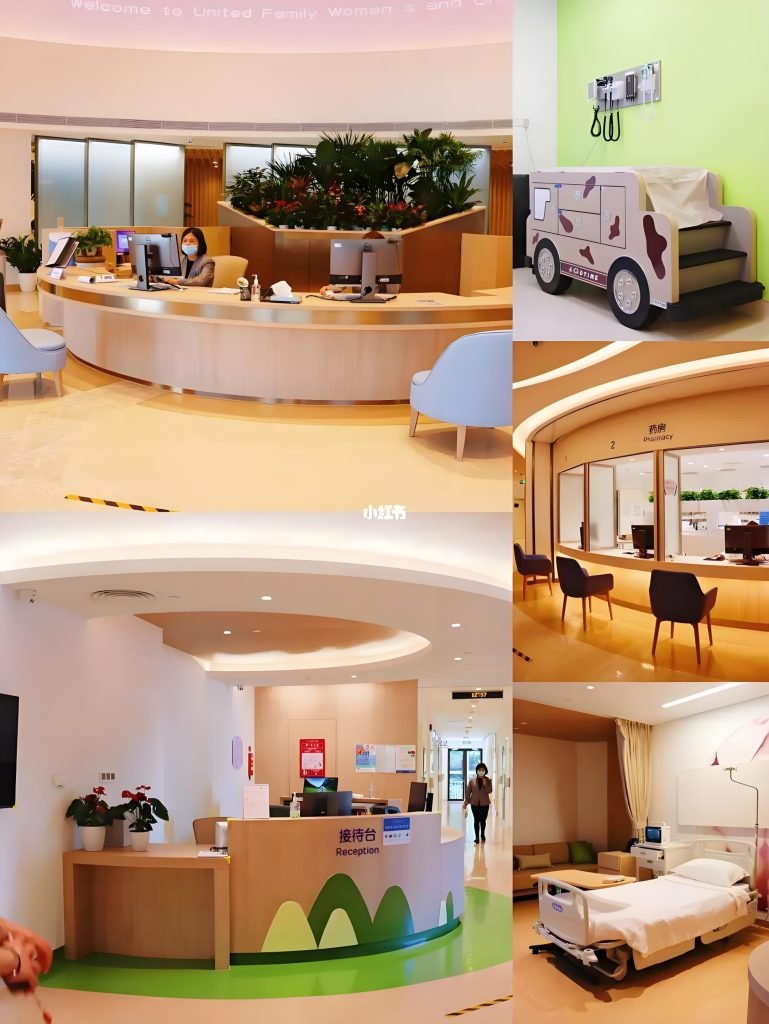
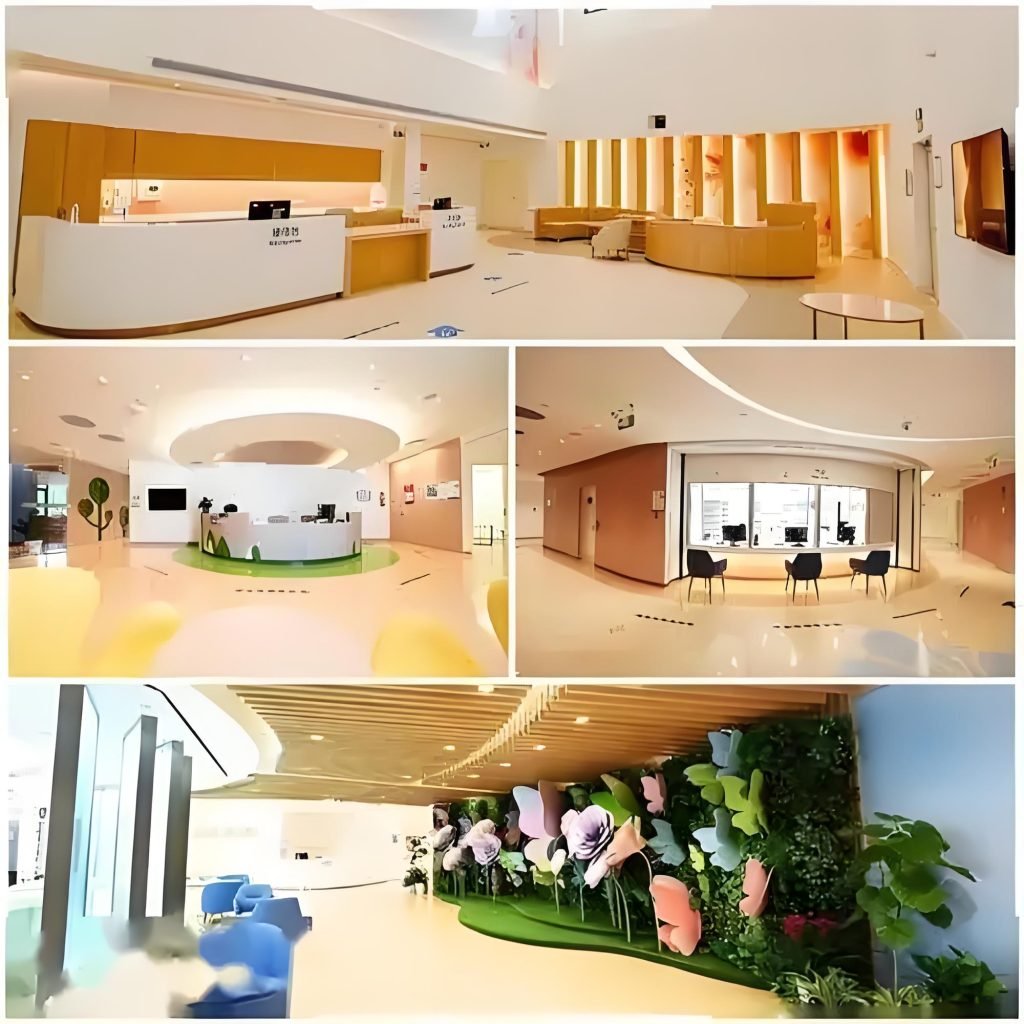
1. International Hospitals and Clinics: There are many international hospitals and clinics in Beijing, which are concentrated in areas where foreigners live densely. Most of these hospitals and clinics follow international medical standards, and some have even obtained certifications from international medical organizations, such as the Joint Commission International (JCI) certification. Doctors can communicate in a variety of languages, including English, German, French, Japanese, etc., effectively eliminating language barriers. For example, Beijing United Family Hospital and Clinics provide comprehensive medical services covering many departments such as family medicine, obstetrics and gynecology, pediatrics, internal medicine, and surgery. Its medical environment is comfortable, and the appointment process is convenient. Patients can make appointments in English through multiple channels, such as the hospital’s official website, WeChat, or telephone. At the same time, most international hospitals and clinics accept direct payment of various medical insurance, relieving the financial burden of patients.
▼ Beijing United Family Hospital and Clinics
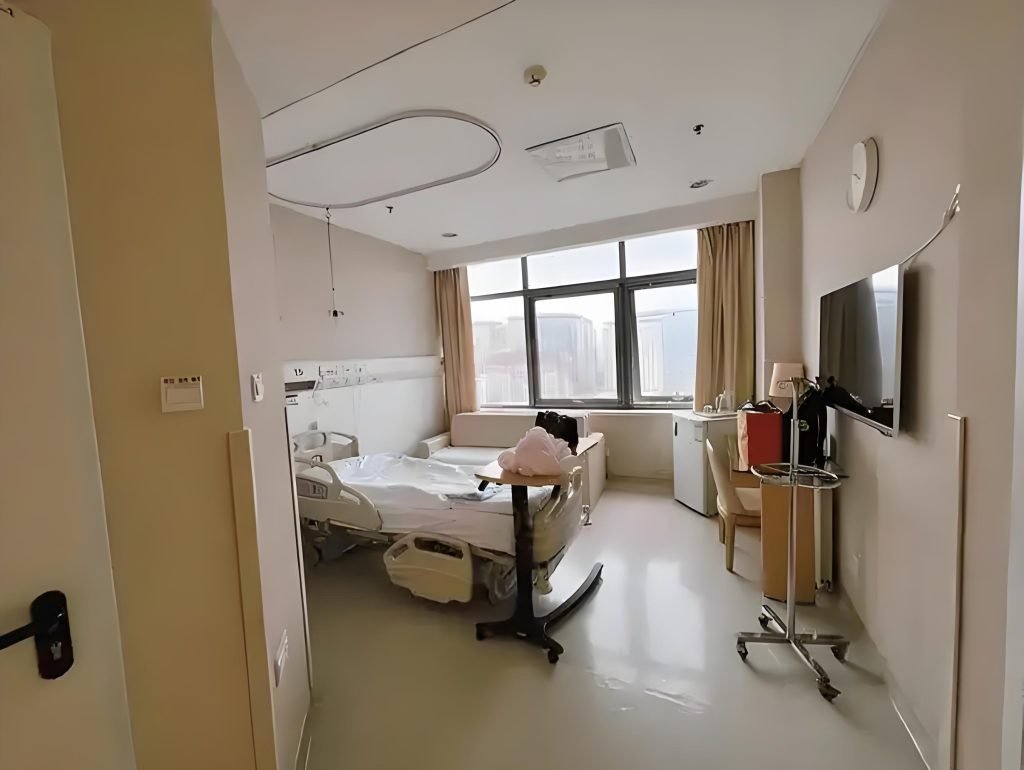
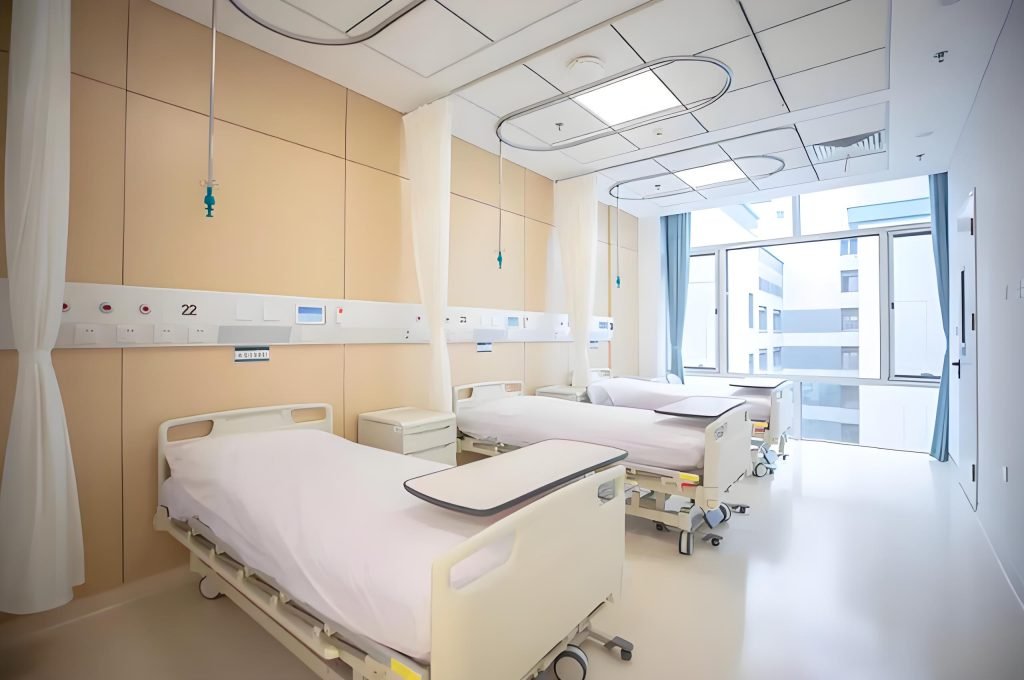
2. Special Needs Wards in Public Hospitals (VIP Wards): The special needs wards in public hospitals also provide high-quality medical services for foreign patients. These wards are fully equipped and offer attentive services. Although the fees are relatively high, they can meet the patients’ needs for privacy and comfort. Taking Peking Union Medical College Hospital as an example, its special needs wards have an elegant environment and are equipped with a professional medical team to provide personalized medical services for patients.
▼ Special Needs Wards in Public Hospitals (VIP Wards) of Peking Union Medical College Hospital
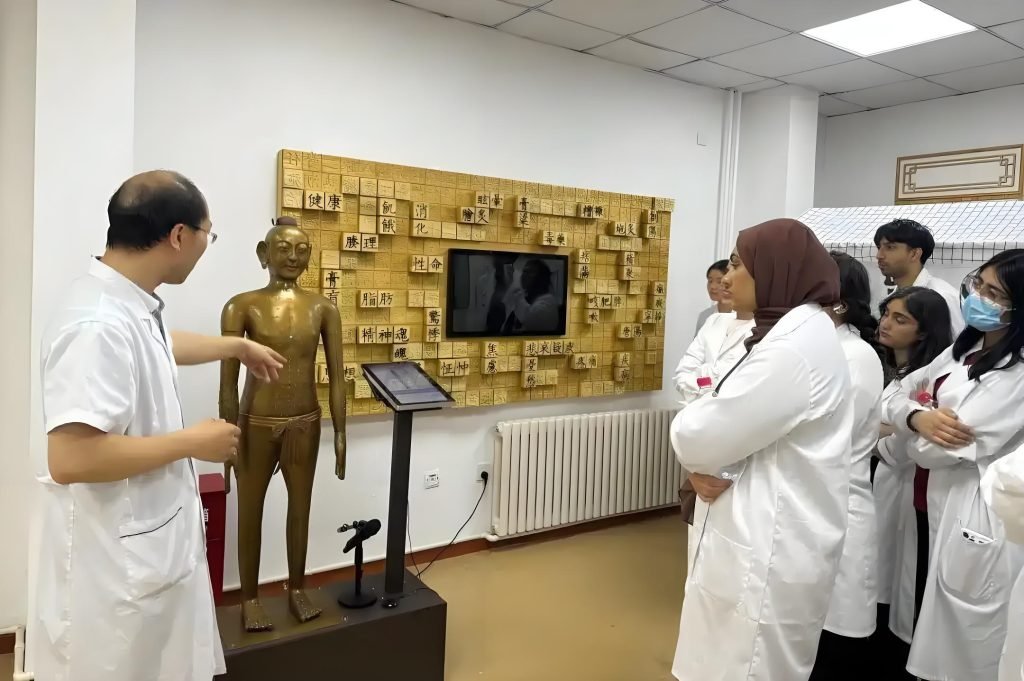
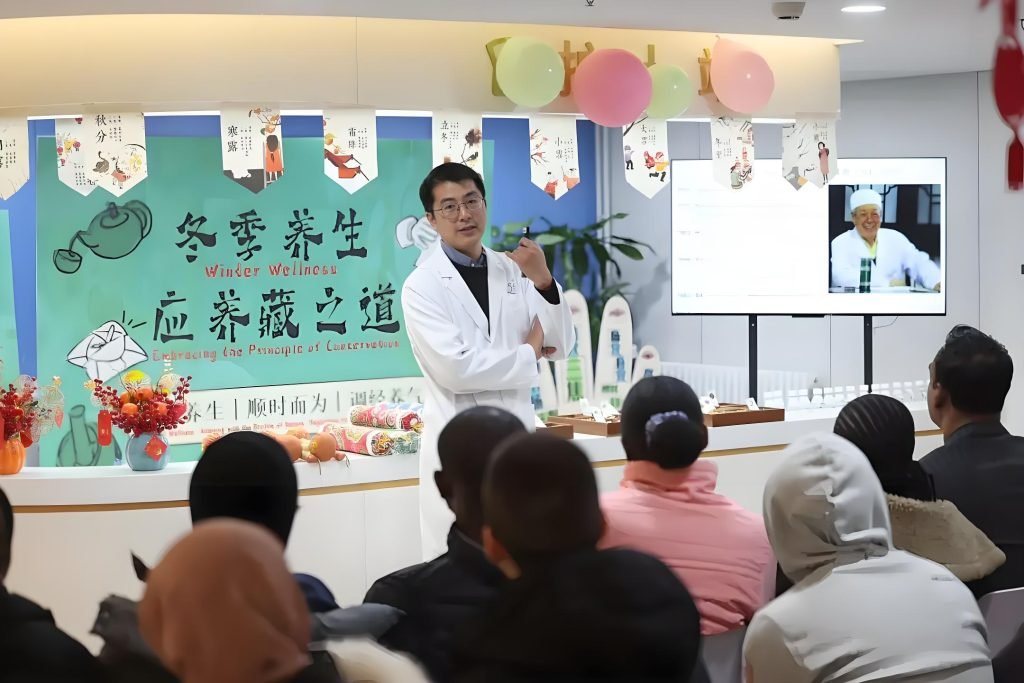
3. Traditional Chinese Medicine Hospitals: As traditional Chinese medicine, traditional Chinese medicine hospitals are also numerous excellent choices for foreign patients in Beijing. Traditional Chinese medicine has unique advantages in treating some chronic diseases, difficult and complicated diseases, as well as health preservation and disease prevention. For example, Beijing Traditional Chinese Medicine Hospital Affiliated to Capital Medical University not only has superb traditional Chinese medicine diagnosis and treatment techniques but also has a traditional Chinese medicine culture experience hall, providing a platform for foreign friends to understand traditional Chinese medicine culture. Here, foreign patients can experience traditional Chinese medicine therapies such as acupuncture, massage, cupping, and traditional Chinese medicine conditioning. At the “Seminar on Traditional Chinese Medicine Health Preservation and Culture for Developing Countries” held in August 2024, doctors, officials, and experts from many countries personally felt the profoundness of traditional Chinese medicine culture and the unique charm of appropriate traditional Chinese medicine techniques.
▼ TCM doctors delivering lectures to foreign patients and international students
(IV) Medical Insurance
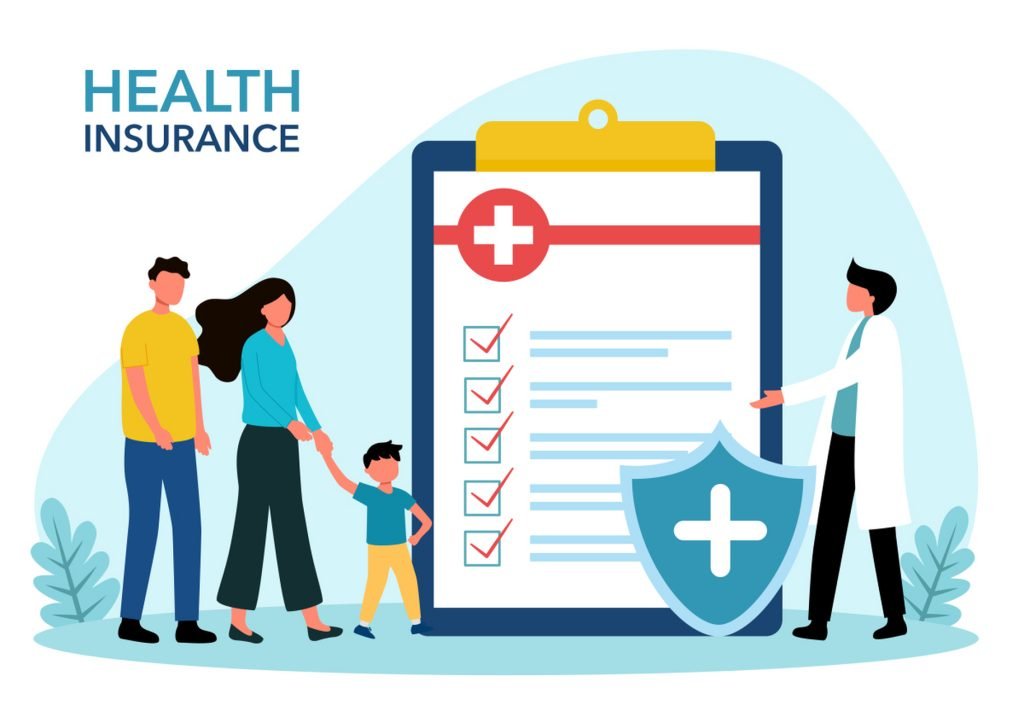
During the stay in China, having medical insurance is of vital importance because the fees for some medical services in Beijing may be relatively high. Foreign patients need to understand the types of different insurance policies and the reimbursement procedures when seeking medical treatment. The fees of international hospitals and the special needs wards in public hospitals are relatively high, and some are listed as “high-cost” medical institutions by insurance companies. Patients may need to purchase insurance policies at a higher price to cover all the fees, or bear a certain proportion of the out-of-pocket expenses. Some insurance policies only cover inpatient treatment, and the premiums for such insurance are relatively low, but patients need to pay for the outpatient consultation fees by themselves. If the budget is limited, patients can consider choosing the general outpatient services of public hospitals, and the fees are relatively lower. However, health insurance policies that cover outpatient services (such as doctor consultations, dental services, and drug costs) will be more expensive but can meet all the medical needs of patients in international hospitals and clinics.
(V) Medical Emergency Rescue
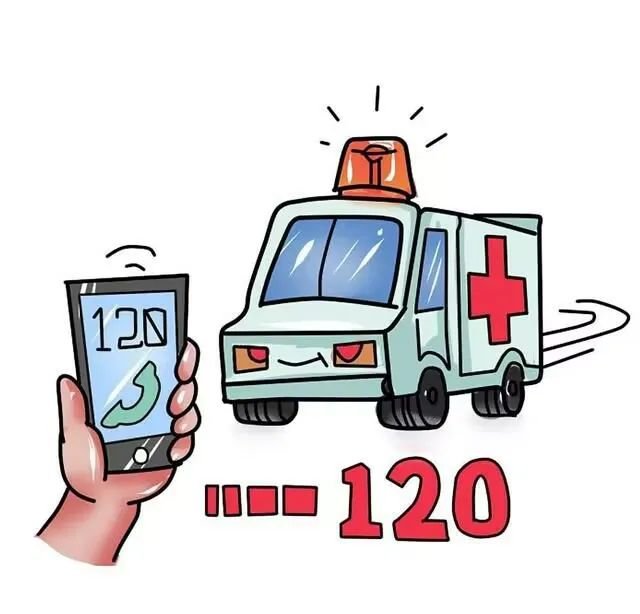
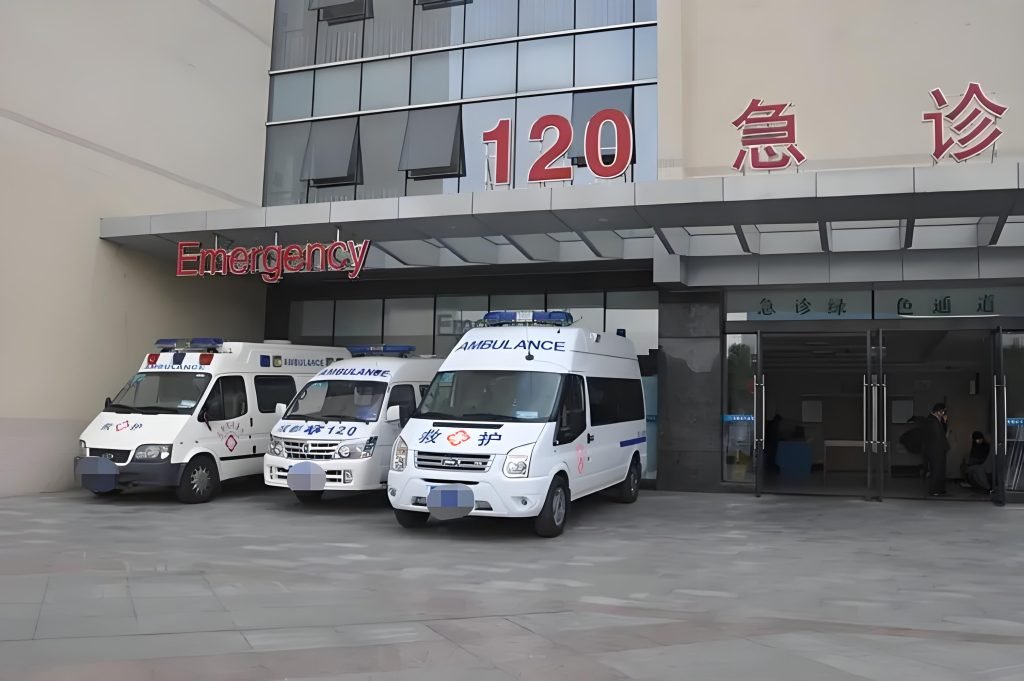
In case of emergency health problems, the medical emergency services in Beijing are very convenient. The medical emergency number in Beijing is 120, and the emergency number of the Beijing Red Cross is 999. At the same time, International SOS also provides 24-hour emergency rescue services in Beijing, and the hotline numbers are 6462 9100, 6433 2345, or 5927 7120. Some international hospitals and clinics also have 24-hour emergency hotlines. When foreign patients first arrive in Beijing, it is recommended that they learn about these emergency rescue information in advance and be familiar with the locations of nearby hospitals.
▼ Call 120 For medical emergency
II. Tourism Situation in Beijing
(I) Rich Historical and Cultural Attractions
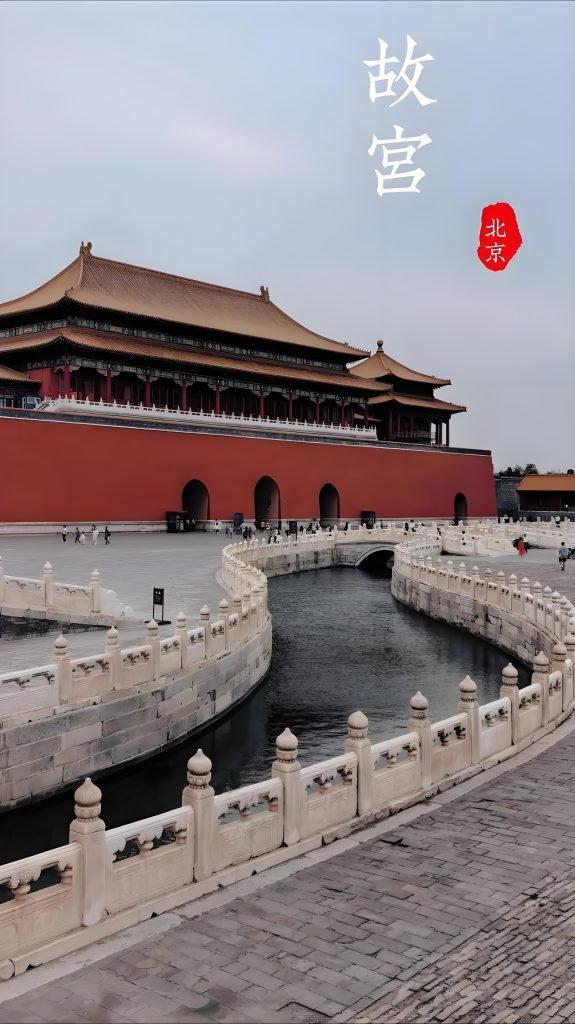
1. The Palace Museum: The Palace Museum, also known as the Forbidden City, was the imperial palace of the Ming and Qing dynasties in China. It is one of the largest and most completely preserved ancient wooden structure building complexes in the world. The Palace Museum has more than seventy large and small palaces and more than nine thousand rooms. The buildings are magnificent, and the decorations are exquisite, demonstrating the superb craftsmanship and profound cultural connotations of ancient Chinese imperial architecture. Tourists can admire a large number of precious cultural relics here, including calligraphy and paintings, ceramics, gold and silverware, etc., and feel the luxury and majesty of the ancient Chinese imperial court. For example, Along the River During the Qingming Festival collected by the Palace Museum vividly depicts the urban landscape of Dongjing (now Kaifeng, Henan) during the Northern Song Dynasty and the living conditions of people from all social classes at that time. It is one of the top ten famous paintings handed down in China.
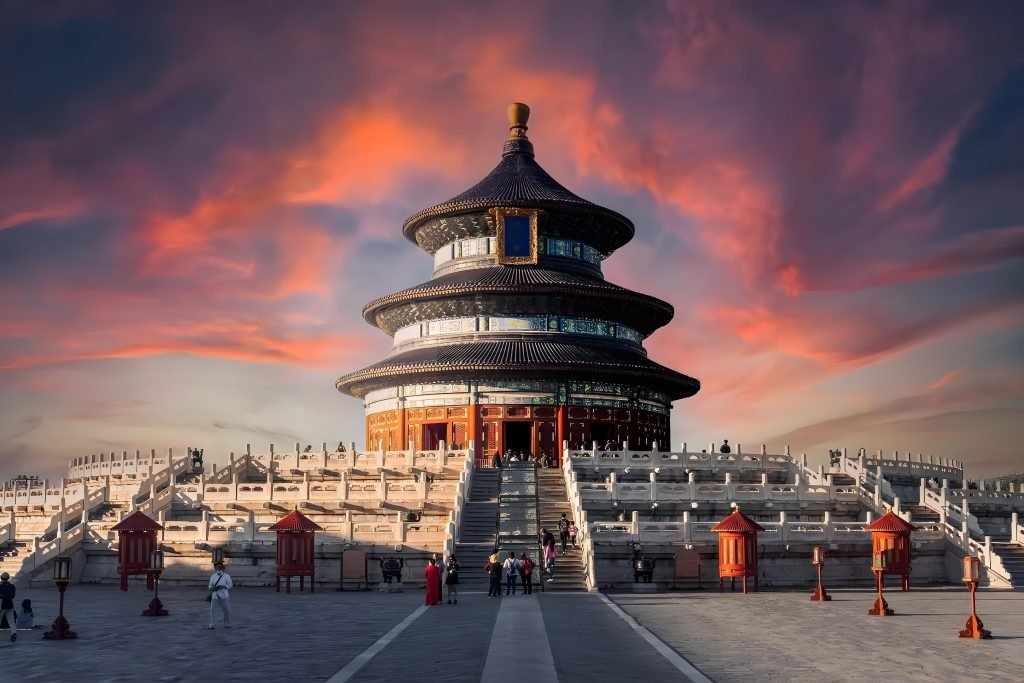
2. The Temple of Heaven: The Temple of Heaven was a place where emperors of the Ming and Qing dynasties sacrificed to heaven and earth, prayed for a good harvest, and prayed for rain. It is an outstanding representative of ancient Chinese sacrificial architectural art. Its architectural style is unique, and a large number of design elements symbolizing heaven and earth, yin and yang, the four seasons, etc. are adopted. The main buildings such as the Circular Mound Altar and the Hall of Prayer for Good Harvests are magnificent, and the ancient trees around are lush, creating a quiet and secluded environment. In the Temple of Heaven, tourists can learn about ancient Chinese sacrificial culture and traditional etiquette. For example, during specific seasons every year, performances of traditional sacrificial ceremonies will be held here, allowing tourists to more intuitively feel the solemn atmosphere of ancient sacrifices.
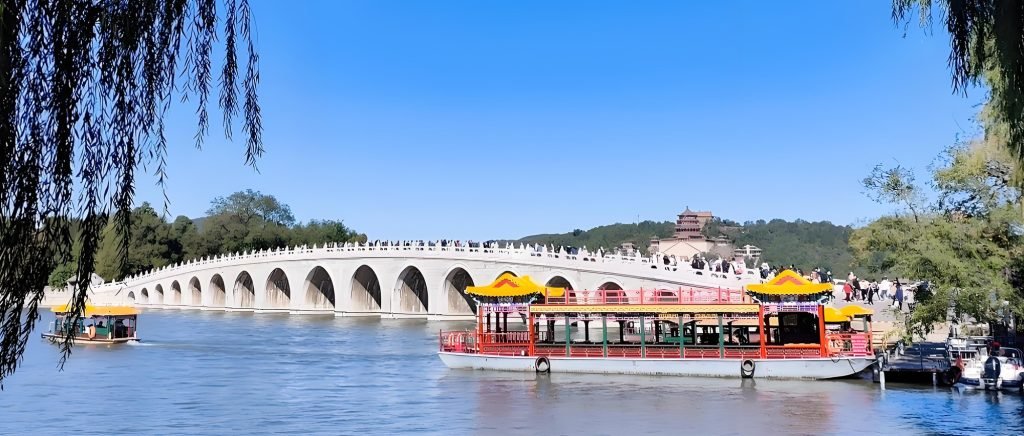
3. The Summer Palace: The Summer Palace is a large landscape garden built on the foundation of Kunming Lake and Longevity Hill, with the West Lake in Hangzhou as a blueprint and drawing on the design techniques of Jiangnan gardens. It is the most completely preserved imperial garden and is known as the “Museum of Royal Gardens”. There are many famous scenic spots in the garden, such as the Long Corridor, the Tower of Buddhist Incense, and the Seventeen-Arch Bridge. The Long Corridor is famous for its exquisite color paintings. It is 728 meters long and has more than fourteen thousand color paintings, the contents of which include landscapes, flowers, birds, fish, insects, and historical allusions of figures. Tourists can take a boat tour on Kunming Lake in the garden, enjoy the beautiful scenery of the lake and mountains, and feel the unique charm of the royal garden.
(II) Modern Urban Style
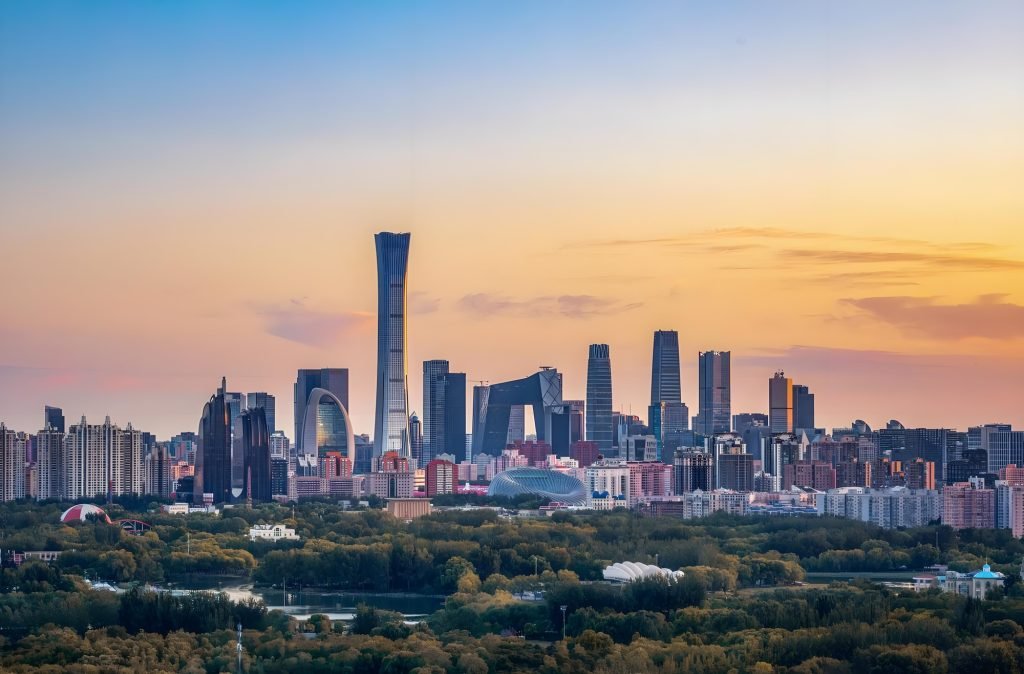
1. Beijing CBD: The Beijing Central Business District (CBD) is the modern commercial core area of Beijing, with many skyscrapers and high-end office buildings. Landmark buildings such as China World Trade Center Phase III and China Zun stand tall, demonstrating Beijing’s modern architectural art and economic vitality. Here, you can feel the strong commercial atmosphere, with the headquarters of enterprises from all over the world, financial institutions, and high-end shopping centers. For example, China World Mall gathers many international well-known brands and is a paradise for shopping lovers. At the same time, the CBD area also has rich dining and entertainment options to meet the needs of different tourists.
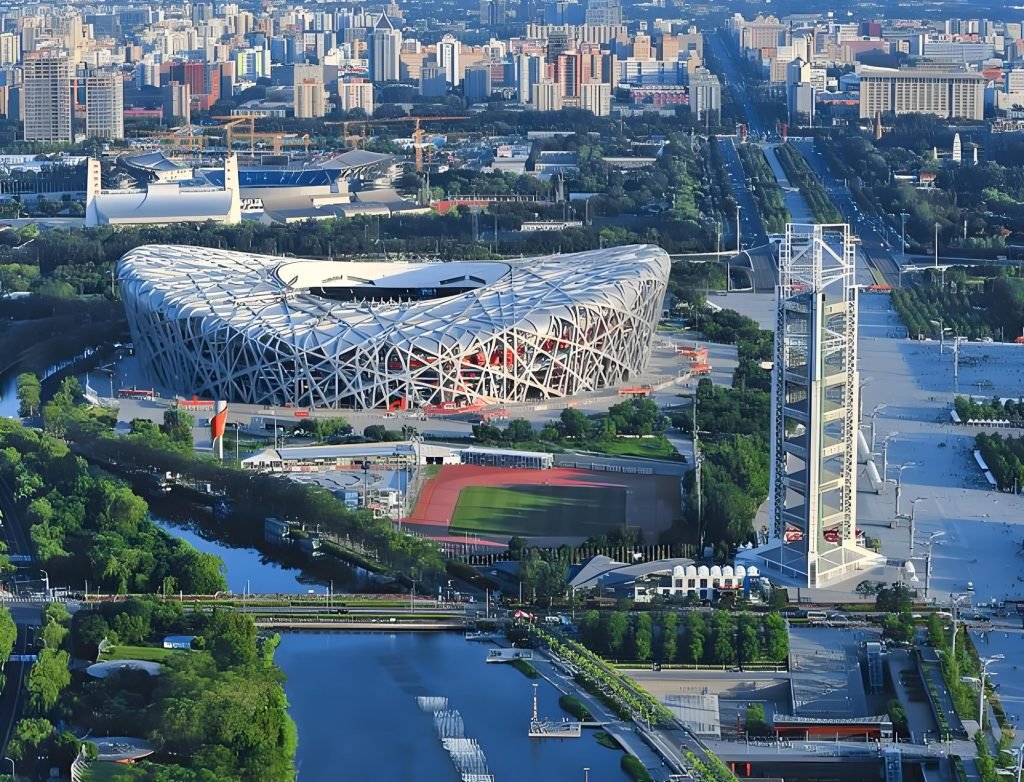
2. Olympic Park: As the venue for the 2008 Beijing Olympic Games, the Olympic Park has modern sports venues such as the Bird’s Nest (National Stadium) and the Water Cube (National Aquatics Center). The unique shape and grand scale of the Bird’s Nest are amazing. It is not only a venue for hosting large-scale sports events but also often hosts various cultural and artistic performances and large-scale activities. The appearance of the Water Cube is like a blue crystal box, and its unique membrane structure and advanced architectural technology bring tourists a novel visual experience. In the Olympic Park, tourists can visit the Olympic venues, learn about the Olympic culture, and also take a leisurely walk in the surrounding parks and green spaces.
(III) Characteristic Blocks and Hutong Culture
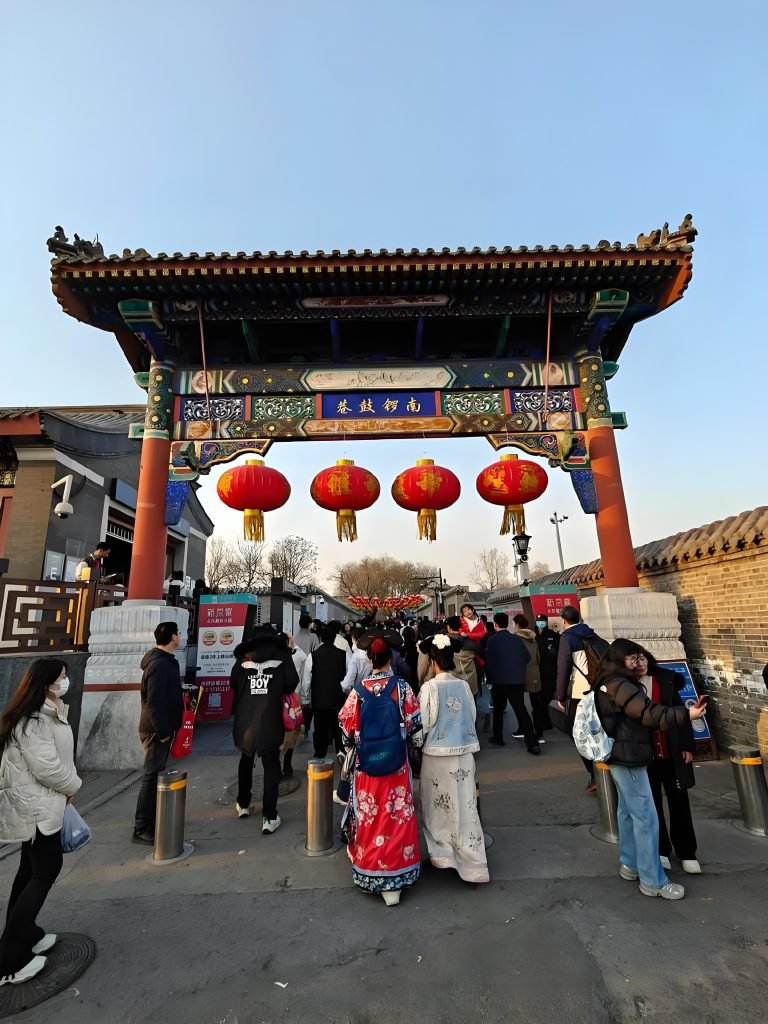
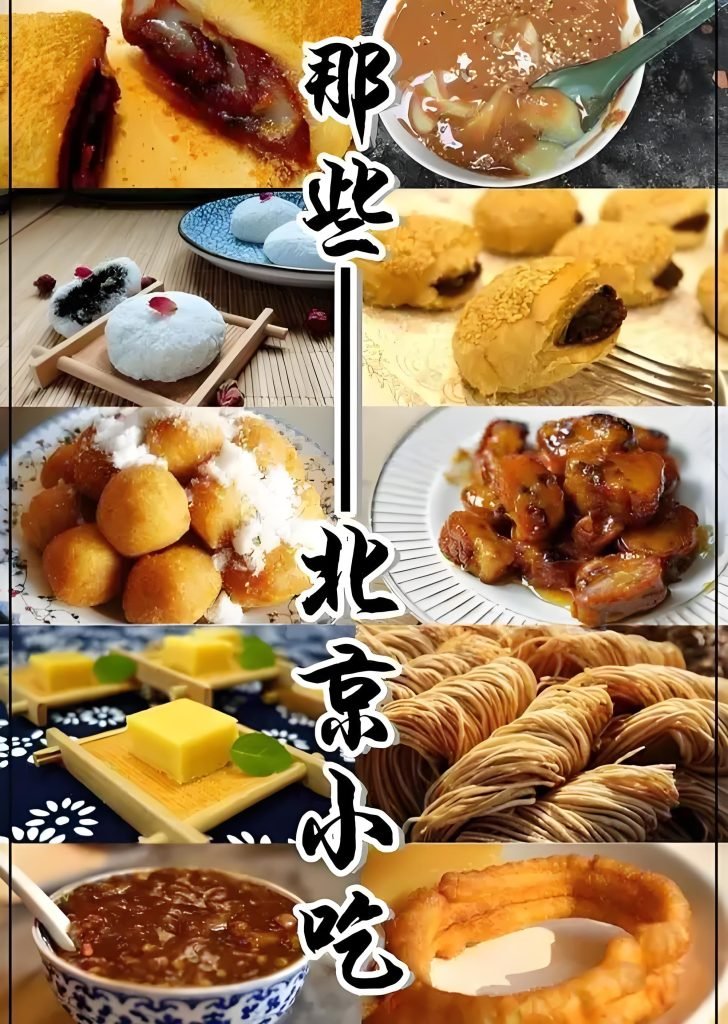
1. Nanluoguxiang: Nanluoguxiang is one of the most representative hutong blocks in Beijing, where many ancient hutongs and siheyuans (traditional courtyard houses) are preserved. In the hutongs, tourists can stroll around and feel the life atmosphere of old Beijing. There are various characteristic shops, traditional handicraft shops, and snack stalls on both sides of the street. For example, tourists can taste the characteristic snacks of old Beijing, such as Zhajiangmian (noodles with soybean paste), Douzhi (fermented mung bean juice), and Jiaojuan (fried dough rings). At the same time, they can also buy souvenirs with Beijing characteristics, such as Tu’er Ye (clay figurine of a rabbit god), Peking Opera facial masks, etc.
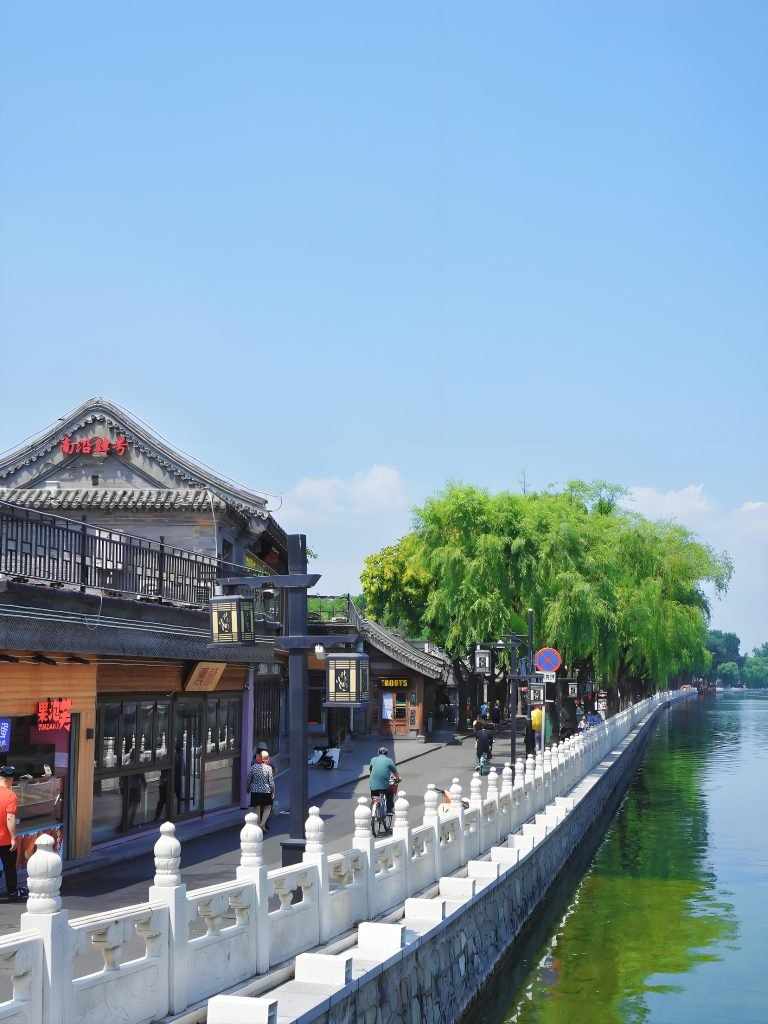
2. Yandai Xiejie: Yandai Xiejie is located in the Shichahai area and is a commercial street with traditional cultural characteristics. The street runs in a northeast-southwest direction and is 232 meters long. The buildings here retain the style of the Ming and Qing dynasties and are full of an antique flavor. Yandai Xiejie mainly operates smoking sets, antiques, calligraphy and paintings, characteristic snacks, etc. Tourists can experience the traditional culture of old Beijing here and buy unique handicrafts. For example, some traditional smoking set shops display various exquisite smoking sets, allowing tourists to learn about the smoking culture in old Beijing.
(IV) Culinary Experience
The cuisine in Beijing is rich and diverse, making people’s mouths water.
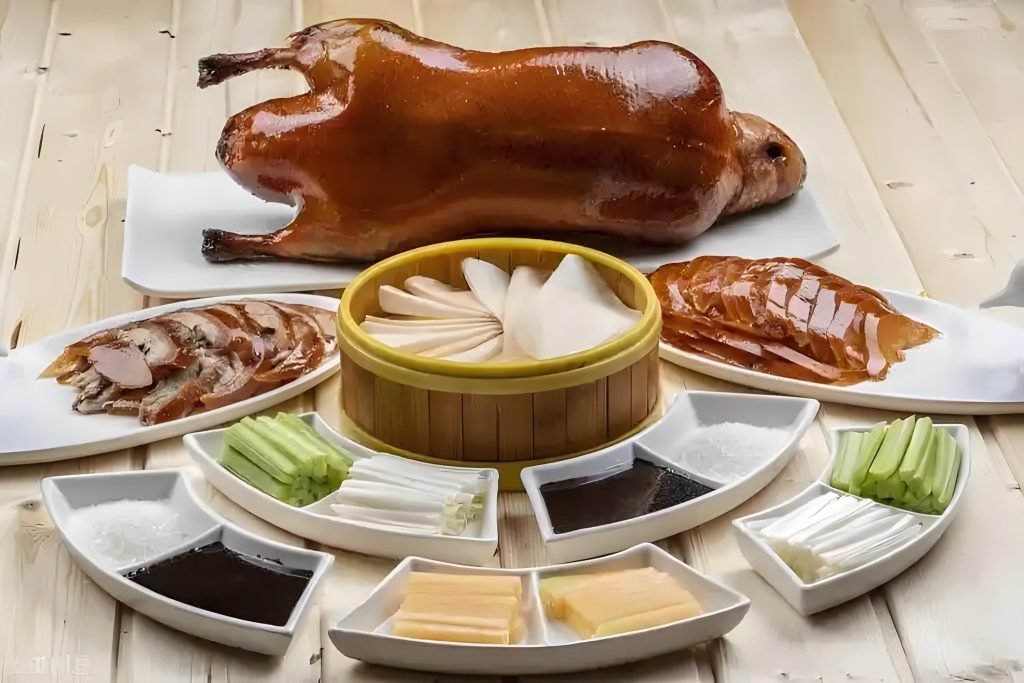
1. Peking Roast Duck: As a signature cuisine of Beijing, Peking Roast Duck is world-famous. The duck skin is crispy, the meat is tender, and the color is ruddy. The usual way to eat it is to put shredded scallions and cucumber strips on a thin pancake, add sliced duck meat, and then dip it in sweet bean sauce and roll it up to eat. Quanjude, Dadong, and other restaurants are well-known places to taste Peking Roast Duck. Tourists can enjoy authentic Peking Roast Duck here.
2. Instant-boiled Mutton: This is a traditional cuisine in Beijing in winter. Using a copper pot as the utensil, with charcoal fire burning in the middle, the soup base is usually clear soup, with only ginger slices, scallion sections, Chinese wolfberries, etc. put in. Select tender mutton slices and quickly boil them in the boiling pot, and then dip them in the sesame paste seasoning to eat. It tastes delicious. Donglaishun is a famous time-honored brand of instant-boiled mutton in Beijing and is deeply loved by locals and tourists.
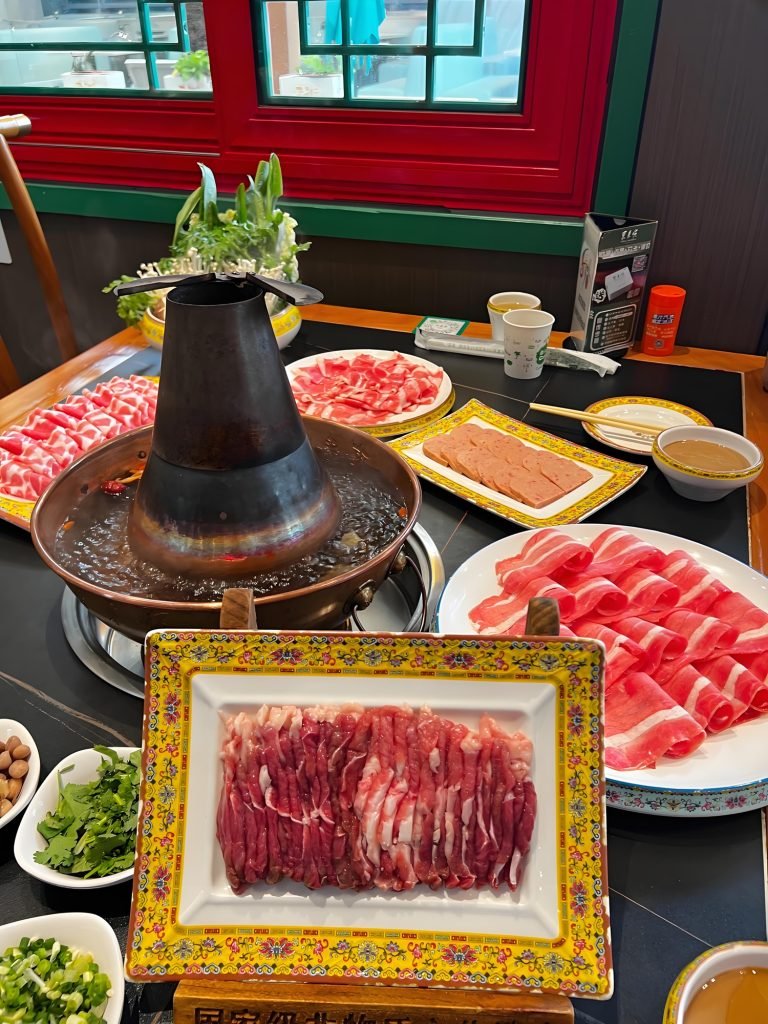
3. Various Snacks: In addition to Peking Roast Duck and instant-boiled mutton, Beijing also has many characteristic snacks. For example, Douzhi has a unique taste but is a favorite of old Beijingers; Jiaojuan is crispy; Lvdagunr (glutinous rice rolls stuffed with red bean paste) is soft and sweet; Aiwowo has a variety of flavors. In Huguosi Snack Street, Niujie, and other places, tourists can taste a variety of Beijing characteristic snacks at one stop.
(V) Convenient Transportation and Tourism Services
1. Convenient Transportation: Beijing has a complete transportation network, including subways, buses, taxis, etc. The subway lines cover most of the popular scenic spots, making it convenient for tourists to travel. For example, taking Subway Line 1 can directly reach scenic spots such as Tiananmen Square and the Palace Museum; taking Subway Line 8 can reach the Olympic Park. Beijing’s international airports, Beijing Capital International Airport and Beijing Daxing International Airport, have frequent flights to and from all over the world, providing convenient entry and exit channels for foreign tourists.
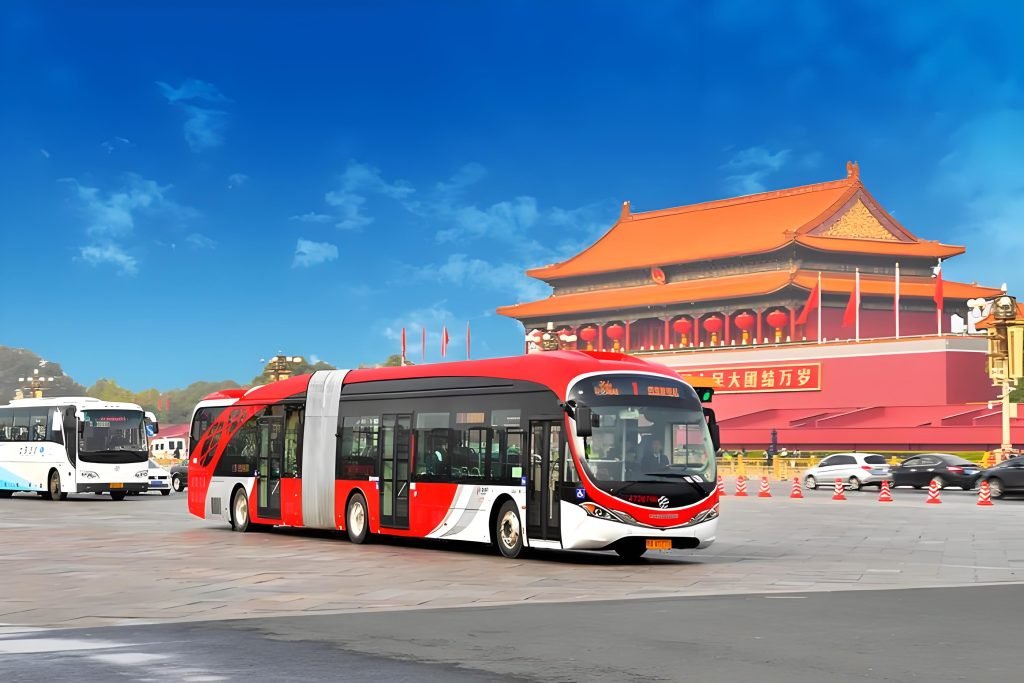
2. Improvement of Tourism Services: With the development of inbound tourism, Beijing has been continuously improving the quality of tourism services. Many scenic spots provide multilingual guided tour services, including audio guides and text introductions. Tourism-related places such as hotels and restaurants also pay more and more attention to providing internationalized services. For example, in some popular scenic spots, tourists can rent multilingual interpretation devices to have an in-depth understanding of the history and culture of the scenic spots. At the same time, Beijing has also been continuously optimizing the payment services to improve payment convenience, making it more convenient for foreign tourists to consume during their travels.
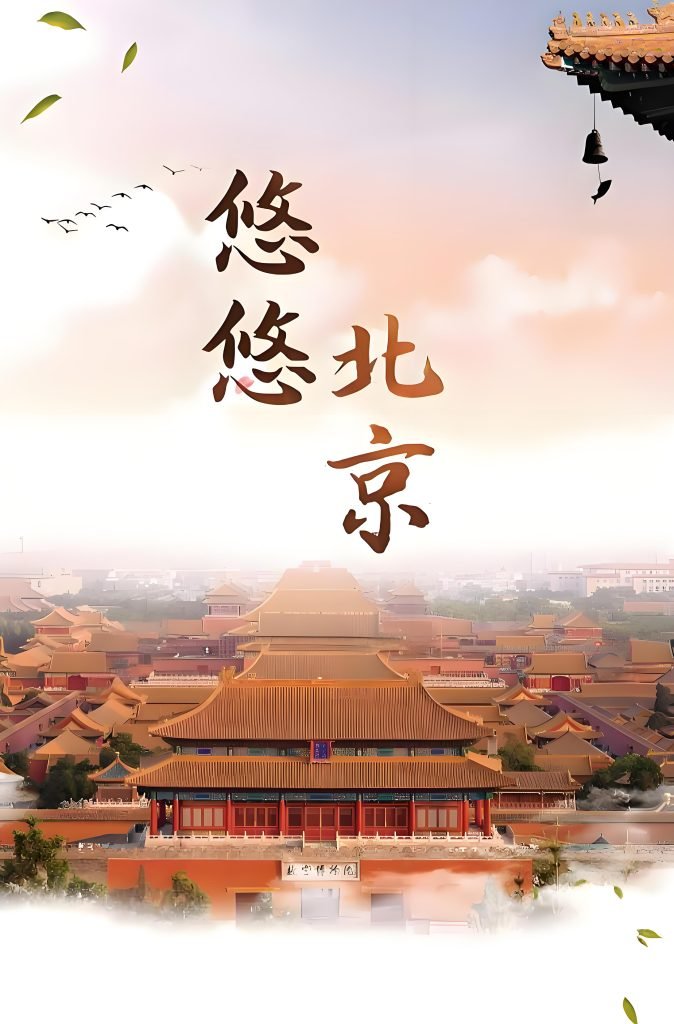
Beijing, this charming city, can provide foreign friends with high-quality, diverse, and unforgettable experiences both in terms of medical services and tourism experiences. Whether seeking health care or exploring historical culture and enjoying modern urban life, Beijing is definitely a destination worth choosing.
Additional Resources:
Is healthcare treatment for foreigners in China equal to that for locals?
Why Choose China for Medical Tourism Destination for international medical seekers?
