
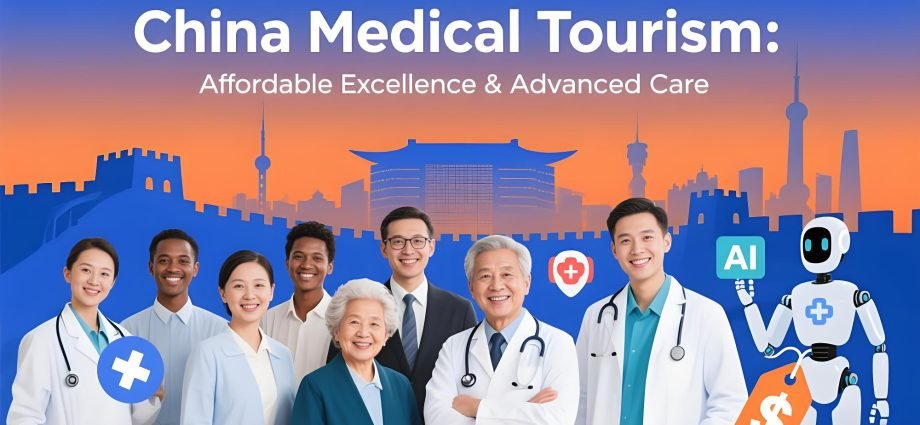
China medical tourism offers international patients access to top diseases and treatments with significant advantages in cost, quality, and speed. This guide breaks down the most popular procedures and why China is a leading destination for medical travel.
If you prefer multimedia content, please scroll to the end of the article for audio and video resources.
Welcome to the Deep Dive! Our mission is to serve as your shortcut to becoming well-informed on a topic, and perhaps even uncovering some unexpected insights along the way. Today, we are delving into the China medical tourism market, examining various reports and studies from different angles. Our objectives are twofold:
1.Identify the types of medical treatments and health services that are popular or suitable for foreigners in China.
2.Analyze China’s advantages over other countries in terms of quality, cost, and speed of these treatments.
Let’s dive into the first part and explore the medical services that stand out.
Popular Medical Services for Foreigners in China
1. Cosmetic and Plastic Surgery
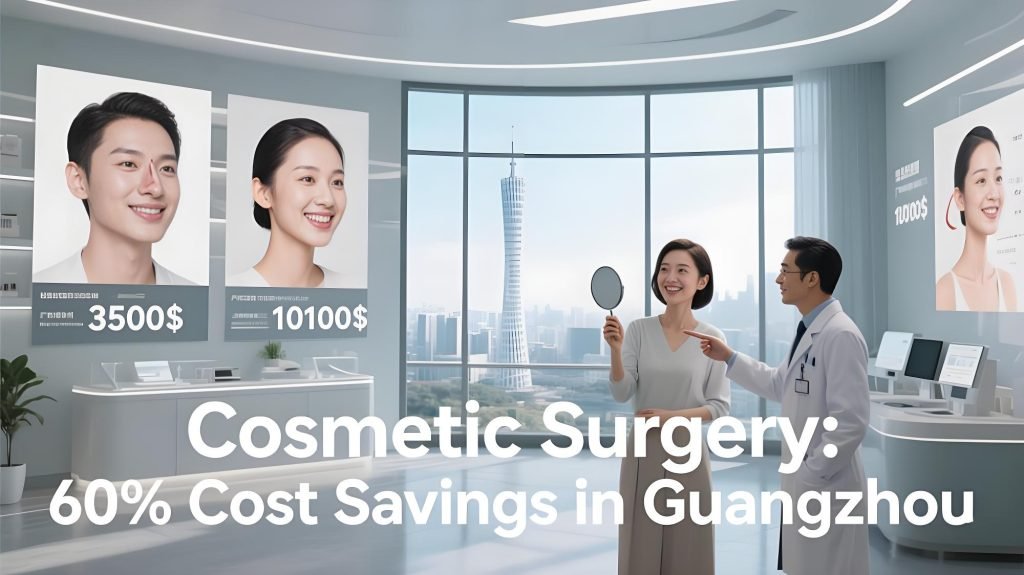
A recurring theme in the sources is the prominence of cosmetic and plastic surgery. Procedures such as rhinoplasty (nose jobs), facelifts, liposuction, body contouring, breast augmentation, and eyelid surgery are frequently mentioned. The sources emphasize the significant size of this sector, with one report forecasting it could capture a 30 percent market share by 2025. Patients are attracted not only from Asia and the Middle East but also from Western countries. Guangzhou, in particular, is highlighted as a hub for advanced cosmetic clinics.
2. Cancer Treatment
Beyond aesthetics, cancer treatment is another major area of focus. The sources list a wide range of options, including:
- Traditional approaches: Chemotherapy, radiation therapy.
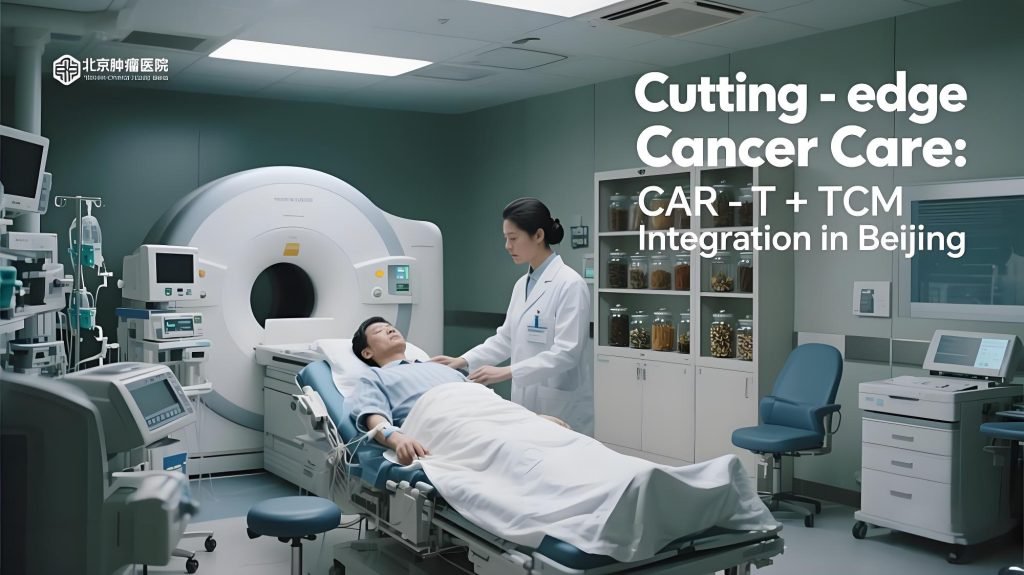
- Cutting-edge therapies: Immunotherapy, cryotherapy (using extreme cold), targeted therapy, and CAR T-cell therapy (modifying a patient’s own immune cells to fight cancer).
- Advanced techniques: Proton therapy, a precise type of radiation.
Beijing is mentioned as having top-tier centers offering some of these treatments, such as the Cancer Hospital and Modern Hospital Guangzhou, which are known for advanced procedures and integrating modern techniques with traditional Chinese medicine (TCM).
3. Other Popular Treatments
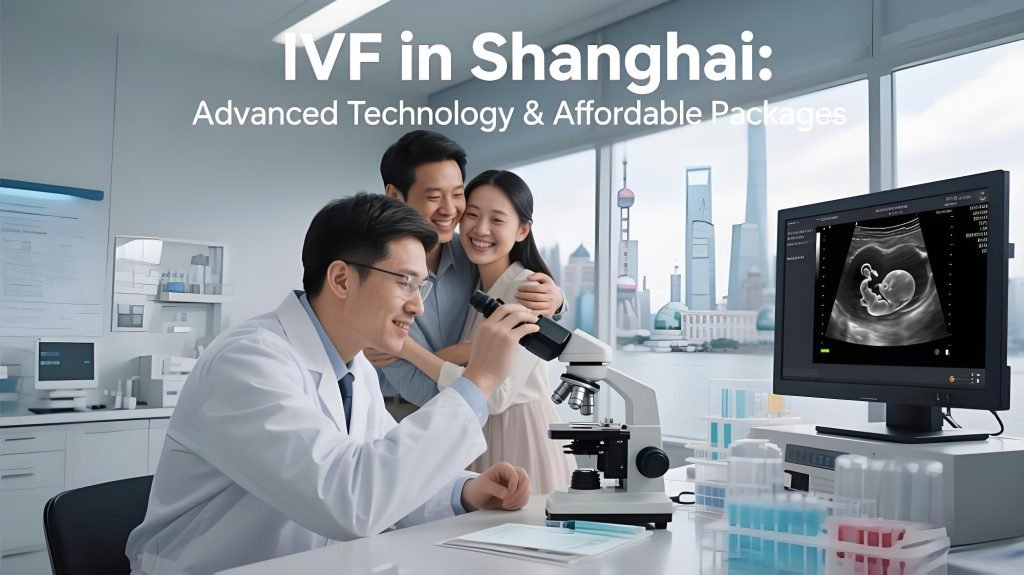
- Fertility treatments: In vitro fertilization (IVF) and other advanced reproductive technologies are popular, with Shanghai noted for its IVF expertise.
- Stem cell therapy: This advanced area is also mentioned as being available.
- Surgical specialties: A range of surgical specialties draw international patients, including:
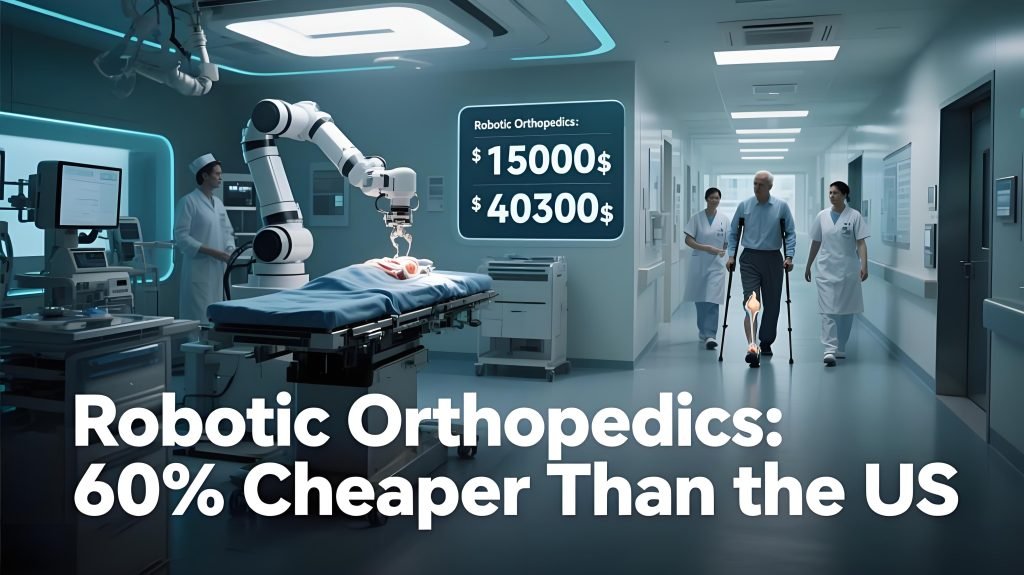
- Orthopedic surgeries: Joint replacements, spinal surgeries, fracture repairs, and treatments for conditions like kyphosis and arthritis.
- Neurology procedures: Treatments for Parkinson’s disease, including deep brain stimulation and stereotactic surgeries for epilepsy and stroke.
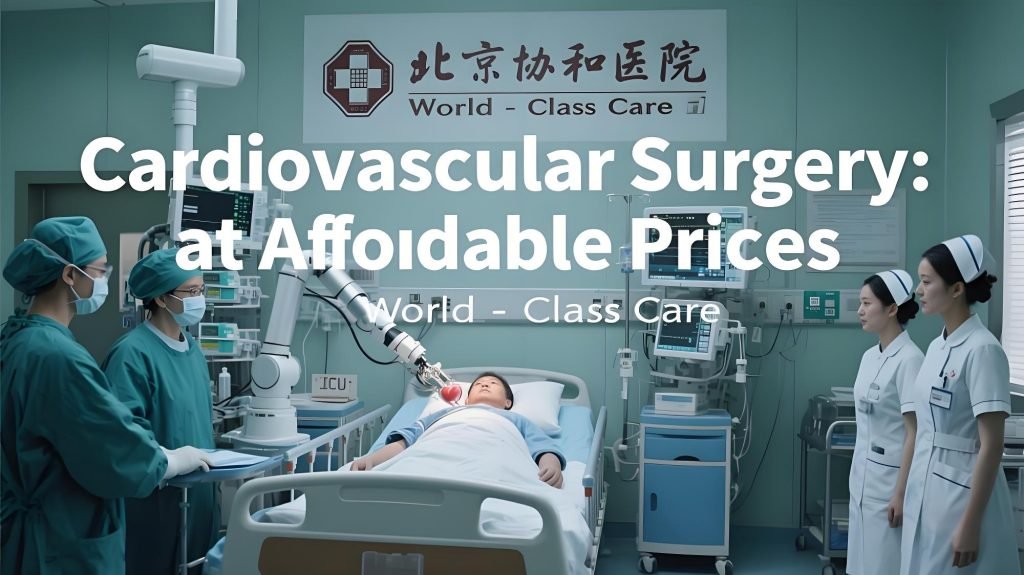
- Cardiology and cardiovascular surgery: Heart bypass, heart valve replacement, and angioplasty for blocked vessels.
- Ophthalmic treatments: Cataract surgery and refractive surgery.
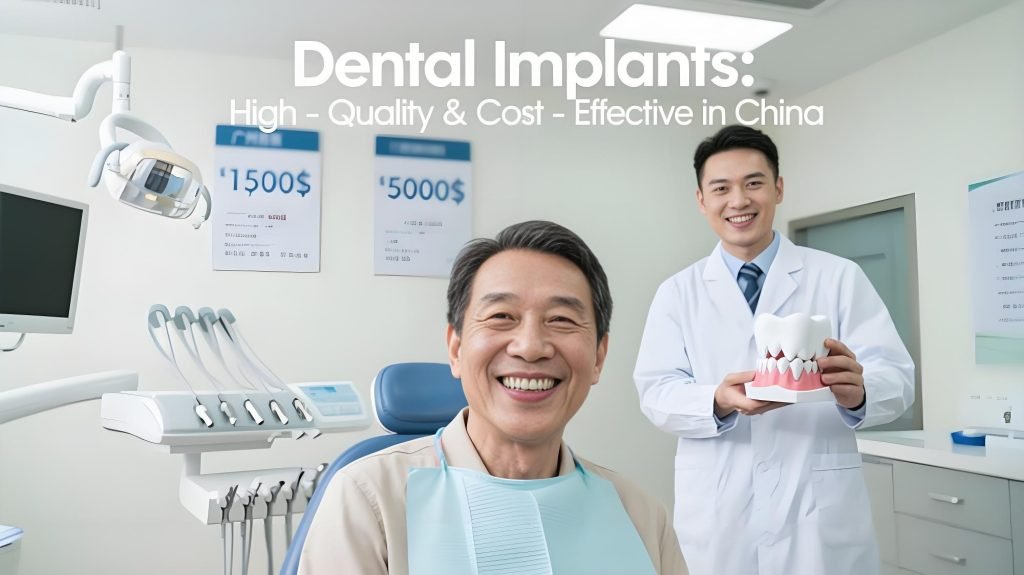
- Dental treatments: Dental implants are particularly popular.
- TCM: Traditional Chinese medicine, often integrated with modern medicine, is emphasized. Practices like acupuncture, herbal remedies, cupping, Tai Chi, qigong, and various massage techniques are used for pain relief, stress management, chronic illness management, and promoting balance.
For international patients, China medical tourism provides affordable access to world-class treatments for a wide range of conditions.
Key Hubs for International Patients
The sources point to specific cities as the main hubs for international patients: Beijing, Shanghai, and Guangzhou. Notable hospitals attracting global patients include Peking Union Medical College Hospital and Fudan University Shanghai Cancer Center.
China’s Advantages: Quality, Cost, and Speed
1. Cost
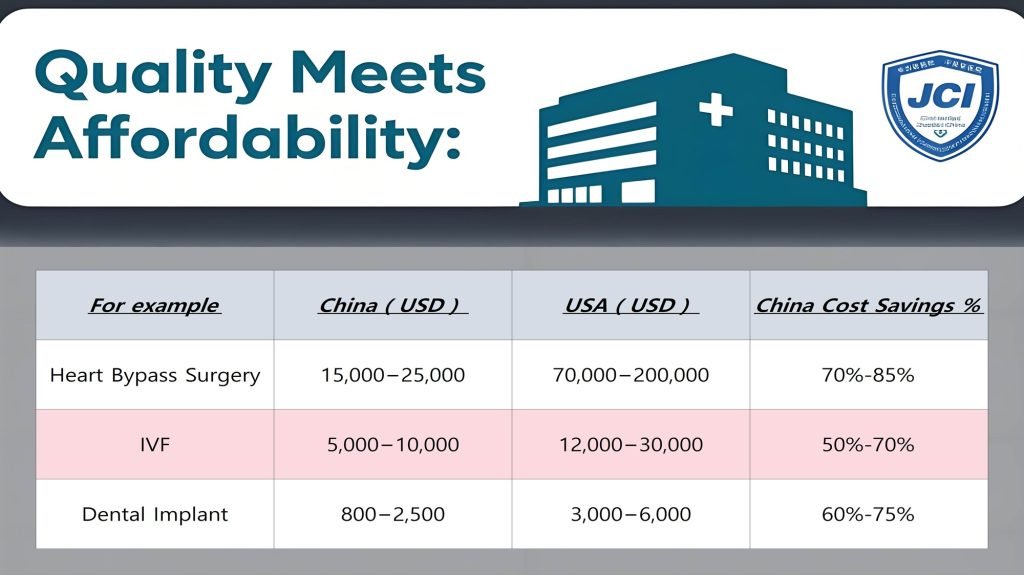
The cost advantage is consistently highlighted across the sources. China’s healthcare costs are significantly lower than in Western countries, with some sources claiming they are a fraction of the cost. For example, a knee replacement that might cost $40,000 in the US could be around $15,000 in China, representing a potential saving of over 60%. A cost comparison table in one source showed that procedures like heart bypass, hip replacement, dental implants, and breast implants are generally competitive with, or sometimes even lower than, prices in other Asian countries like India, Thailand, and Singapore, and significantly lower than US prices.
However, there are some nuances:
- Aesthetic surgery: Costs might be similar to those in South Korea, a major competitor in this field.
- Advanced drugs: For certain targeted cancer therapies or vaccines, treatment might be cheaper and available sooner in places like Hong Kong, even with travel costs considered.
2. Quality
The sources also emphasize high-quality facilities and expertise. China’s healthcare facilities are described as world-class, equipped with state-of-the-art technologies and staffed by highly skilled medical professionals, including doctors trained in the US and Europe. The material highlights the presence of internationally accredited institutions and hospitals, such as those with JCI or ISO accreditation, which are seen as seals of approval for quality and safety management protocols.
For patients, the professional level and quality of the institution are their top concerns, and the descriptions of top hospitals with modern facilities, advanced medical equipment, and high success rates all address these concerns. However, there is a caveat: one source noted that some Chinese patients might prefer South Korea for aesthetic surgery due to the perceived greater experience of doctors in that niche.
3. Speed
The claim of low waiting times is made, but there is a conflicting perspective. While some sources suggest procedures in China have low waiting times, others point out that China’s large population and busy hospitals might make them unsuitable for medical tourism in some cases. Additionally, some Chinese patients travel abroad to avoid long queues at local hospitals, indicating significant domestic waiting times.
Support Services for International Patients
The sources mention that various support services are available to help international patients navigate challenges such as language barriers, visa applications, accommodation, and transportation. These include:
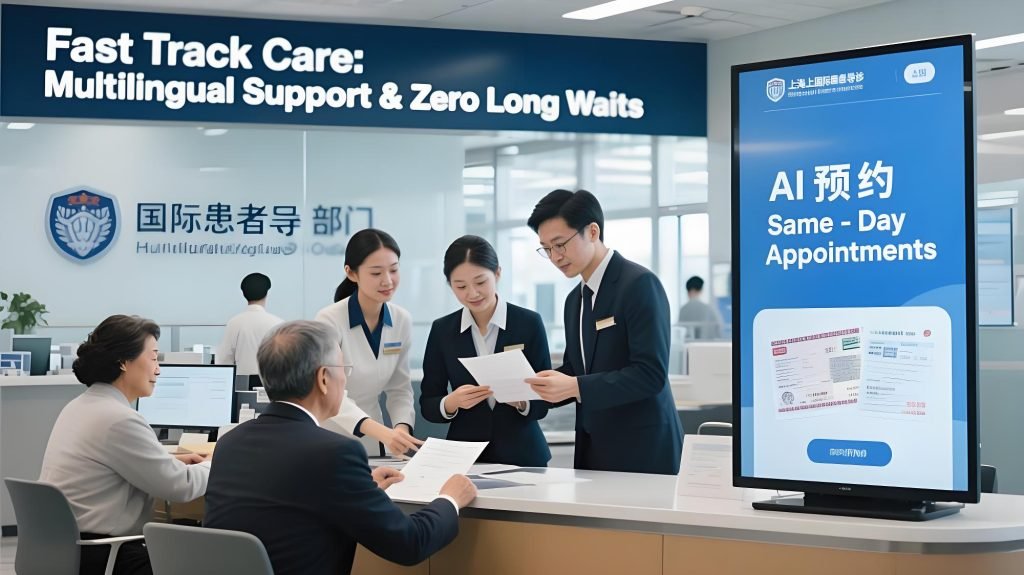
- Medical tourism agencies: Handling arrangements.
- Hospitals with multilingual staff: Or dedicated international patient support departments.
- Medical tourism packages: Providing a full range of services to smooth out logistical bumps and communication gaps.
Conclusion: Weighing the Pros and Cons
The sources present China as offering a wide variety of treatments popular with international patients, from complex modern therapies to cosmetic procedures and TCM. The core appeal is the combination of claimed high quality, advanced technology, and skilled doctors, available at significantly lower costs than in the West. However, there are important exceptions and nuances regarding cost and potential variations in quality in niche areas.
Balanced against these advantages are the practical challenges of language barriers, visa hurdles, and potential waiting times, which require careful planning and management, often using the support services mentioned. Ultimately, the decision to pursue medical tourism in China involves weighing the potential cost savings and access to specific treatments against the logistical challenges and ensuring personalized care and clear communication.
With its unique advantages in cost, quality, and speed, China medical tourism continues to attract patients from all over the world seeking top-tier healthcare.
video
Audio
Additional Resources:
Chat Show – China’s Medical Tourism: Advantages, Challenges, and Insights for International Patients
Best Diseases to Treat in China: Dental, Cancer, IVF & More for International Medical Tourists
Some Best Hospitals For Rare Disease Treatment in China: Expertise & Affordability
